I had not seen this film since it was in theaters, disliking it so much upon walking out, I vowed to never revisit it… until nearly twenty years later. This is the film that had people saying Craig’s Bond was just a Jason Bourne ripoff. They’re not wrong in that criticism, at least as it relates to this film. However, I went into this film with an open mind. While there is plenty to praise in this film in terms of its action and some creative allegories, its near absence of Bond elements along with a weaker story (disrupted by the 2008 strike), means that time has still not done it any favors for me. So what works in QoS, and what doesn’t, and what is my final rating?
Review criteria:
Setting & story
Gadgets and Vehicles
Action Sequences
Villains and Bond Girls
Wildcard!
Setting & Story
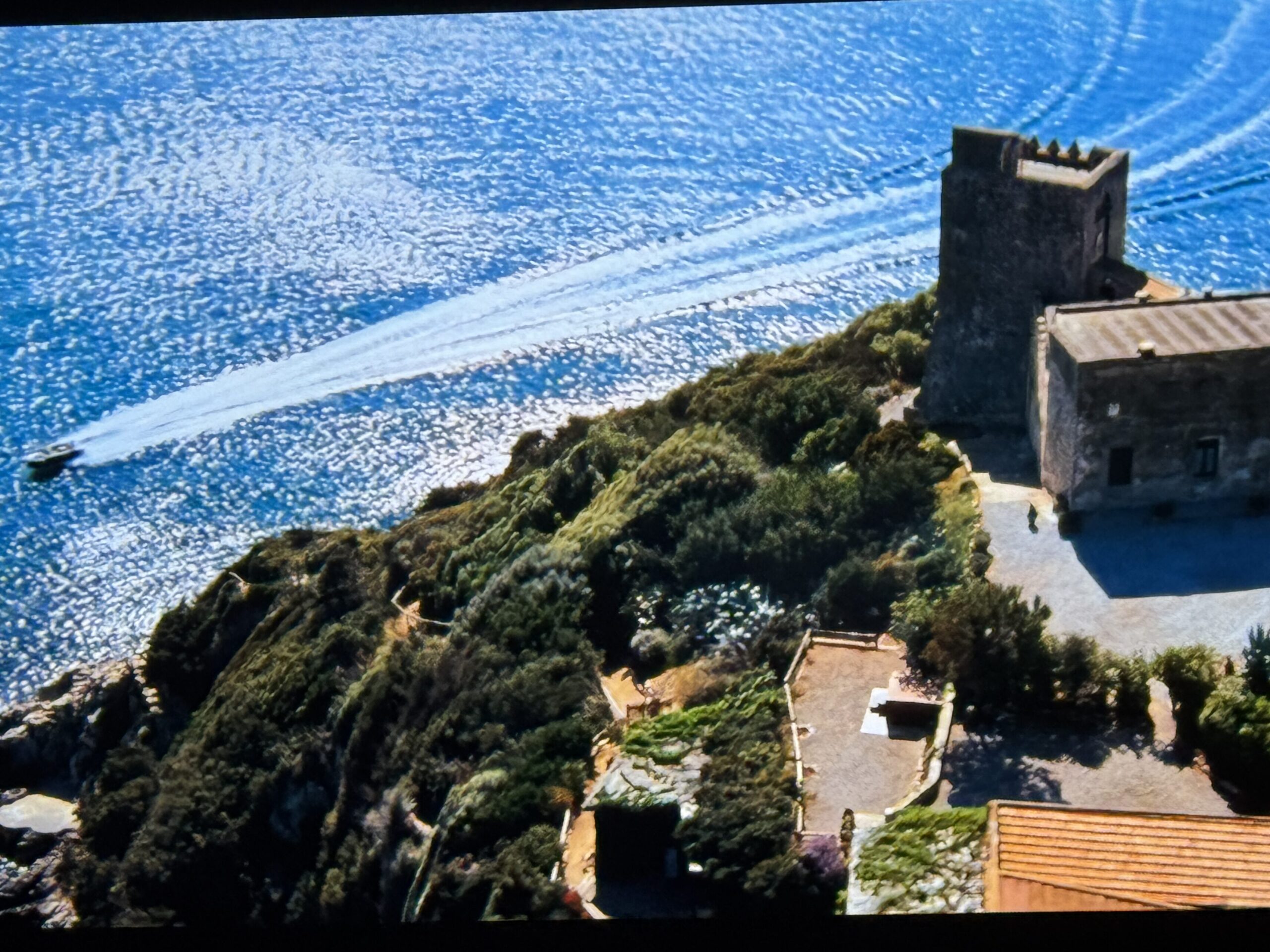
The film begins in Italy, with an incredible pre-credits sequence car chase and post-credits rooftop chase amid ancient terracotta roofs. Later in the film we find ourselves visiting Haiti (pre-earthquake), Austria (barely) and for most of the second act, Bolivia. It’s clear in the focus on Bolivia in particular that there are numerous attempts to frame climate change as a not so subtle theme of this film (down to a certain annoying cab drivers rant). However, much of the film explores the contrast between luxurious hotels and the gritty squabble most residents find themselves living in. It’s a likewise not so subtle take on extreme wealth inequality where our masters of the universe and their government friends are pit against unwitting locals with no say. Yep, we get it. Apart from the opener in Italy which is just a hanger-on from Casino Royale, I hate the visuals in this film (and I haven’t even gotten to the editing yet). It just reeks of its era of color correction and mid-00s action slop. The finale in the desert hotel which feels shockingly out of place is also trash. 4/10 for having almost zero Bond qualities to it in addition to it just not having anything interesting to visit.
Now onto story, and oh boy, what a mess it is. On the heels of one of the franchise’s very best (Casino Royale) the film makes the unfortunate mistake of trying to serialize Bond, copying the franchise-building of other successful IP, like the MCU. Bond works best as a solo outing, because all we got here was a disappointing main plot (if you can call it that) overshadowed by the events of the prior film.
Following the death of his lover, Vesper Lynd, Bond is getting out his pure rage, irking MI6 in the process. Sent to hunt down leads in the aftermath of Casino Royale, Bond discovers a new connection, Mr. Greene (Mathieu Almaric), an oligarch seeking to stage a coup with the help of the Bolivian military and a corrupt CIA agent, Beam. His goal is to steal the country’s water for his own hydrological empire. Again, the climate crisis themes are very on the nose here, along with the attempted references to American meddling in South America along with its never-ending quest for oil reserves amid peak Iraq War tension. The villain plot here is genuinely awful and Bond’s attempts to gather information in this film are overshadowed by fast-paced, frenetically edited action that renders me unable to understand quite how he even found Mr. Greene and what his tie-in to Mr. White and the previous film actually is. This is probably the worst edited Bond film in the whole series.
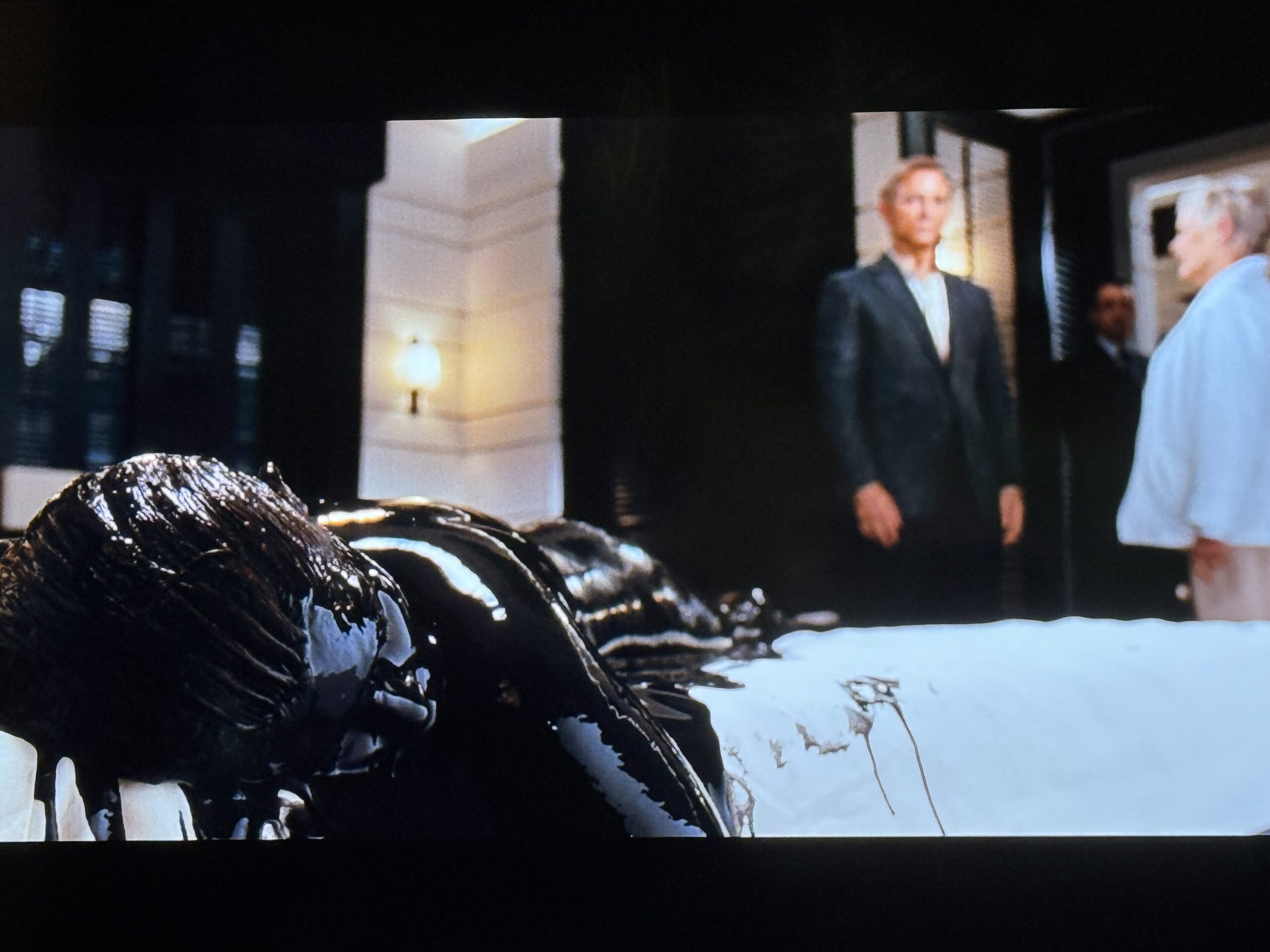
The main plot really falls second fiddle to Bond’s emotional turmoil in his own quest for revenge. As his actions are viewed as not only insubordinate, but increasingly out of control, MI6 places a capture or kill order on the newly minted 00-agent. When Bond confronts M at a luxury hotel in Bolivia following a terrific homage to Goldfinger, she remarks, “when you don’t know your friends from your enemies, it’s time to hang it up.” Bond continues to break free from what only ever feels like a mild inconvenience (no credit cards, everyone after him). Ultimately, he teams up with another jilted lover, Camille. After a shaky start to their trust, the two realize they share a common mission of revenge after heartbreak. Bond in a way mentors Camille for the disappointing climax at the very odd placement of a luxury hotel in the middle of a barren Bolivian wasteland. In another hamfisted climate change allegory, the hotel showdown is one framed entirely by fire. Camille exacts revenge on the Bolivian general who killed her family, and Bond sends Mr. Greene for a walk in the desert without water and a can of motor oil. M asks Bond back, to which he replies, “I never left.” Really, because none of us could tell, we all thought we were watching a Bourne film. Glad this is all over with. 1/10 for story, it was dreadful, among the very worst in the franchise.
Overall QoS really suffers under its own pretension, never really finding a cohesive story. With settings also somewhat underwhelming and drab, this category goes down as a horrendously weak 1/10 overall.
Gadgets and Vehicles
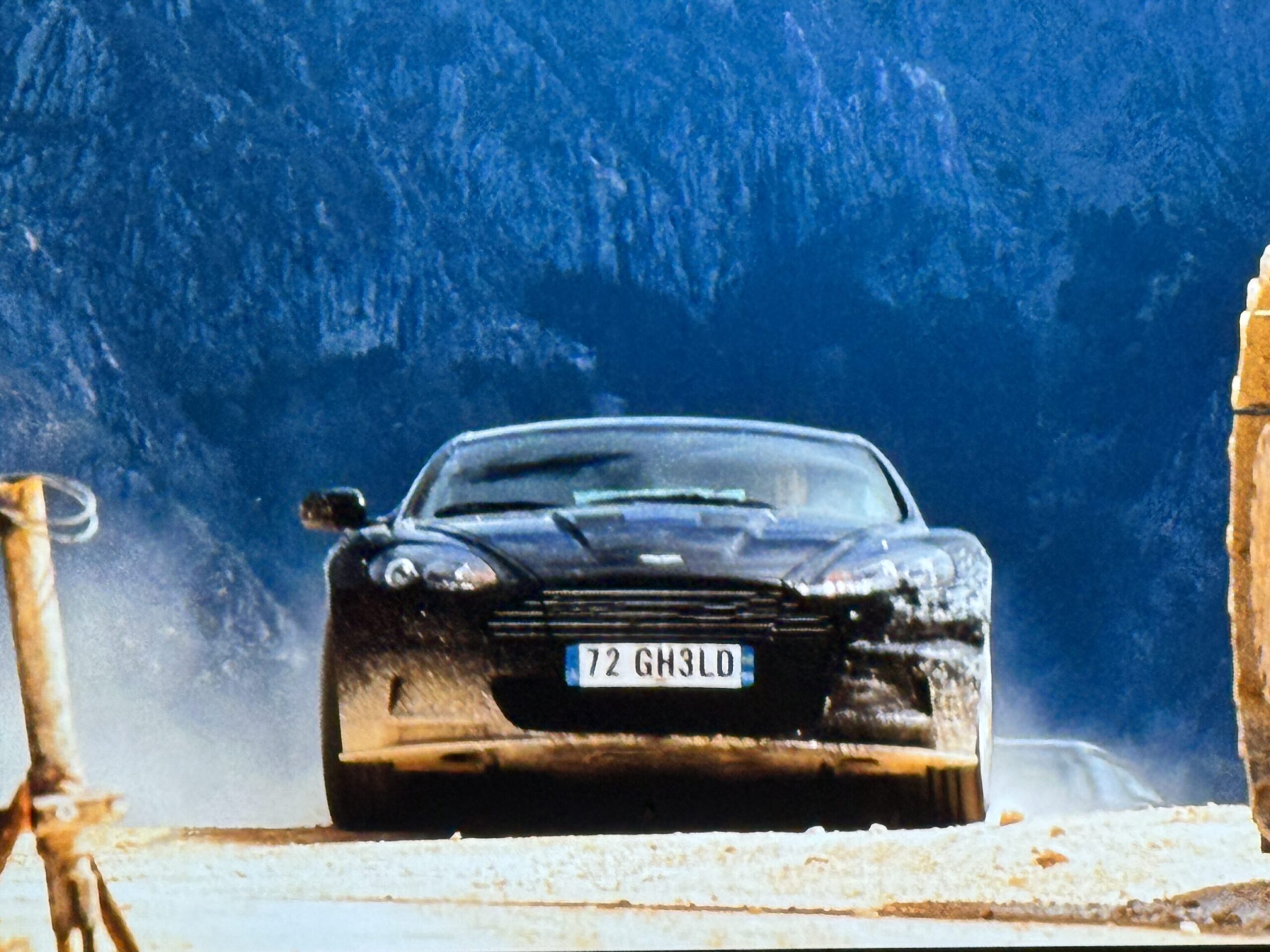
With the filmmakers seemingly determined to strip almost any Bond elements from this Bond film, there are no gadgets to speak of. Instead all of Bond’s arsenal is traded for bloody Bourne-style guns and fists edited like they need to meet a cut quota. The only car to speak of is the hideous (and equally gadget-less) Aston Martin DBS V12 in the pre-credits chase sequence, whose front-end looks like a Ford Fusion. You cannot in good faith rate this any higher than 1/10 and that’s only because zero is not an option.
Action Sequences
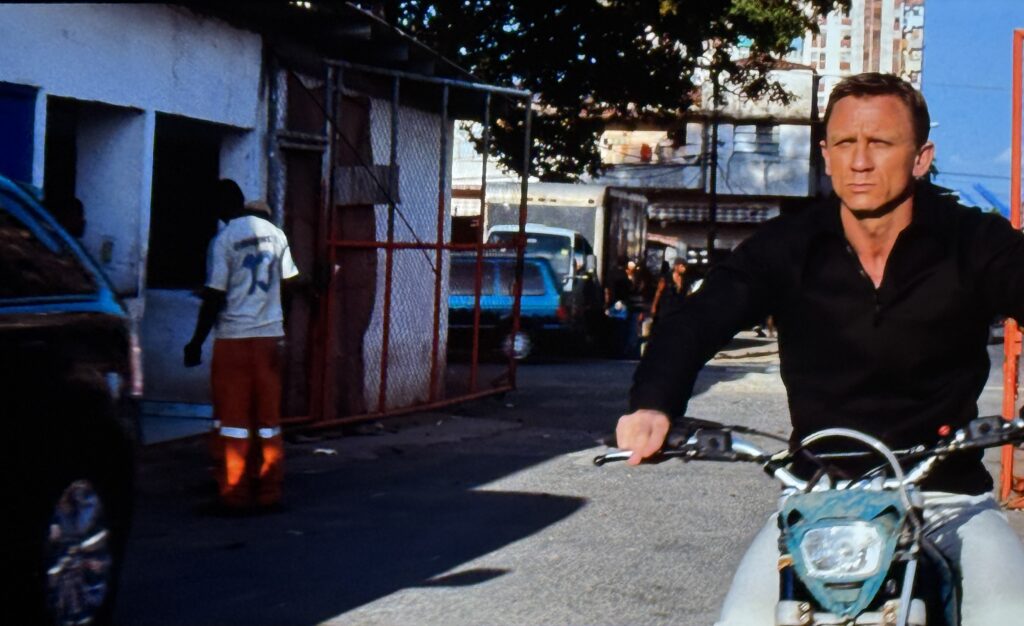
With no John Barry score to accompany any of the action, you’d once again be hard pressed to remember you are watching a Bond film. While the pre-credits sequence car chase was a frenetic joy ride through the Italian country side, with some excellent sound design, and the fantastic rooftop chase to follow our credits also gave audiences hope, it hardly makes up for the action to come and is also muddled by very bad editing choices that induce motion sickness. Outside the shanty-showdown in the Port au Prince harbor and the hunk of junk cargo plane crash in the Bolivian desert, most action relies on close combat and gun fights, again more closely mirroring a Bourne film. While the former set-pieces do show our hero finding rather inventive and improvisational ways to outmaneuver his foes, it feels too practically grounded and without the help of our familiar John Barry score, the emotional triumph of Bond’s cleverness fails to deliver. The action is indeed entertaining, and fast paced enough, but it never feels like Bond action. For that reason, in addition to its horrendous editing, this category gets a poor 3/10.
Villains and Bond Girls
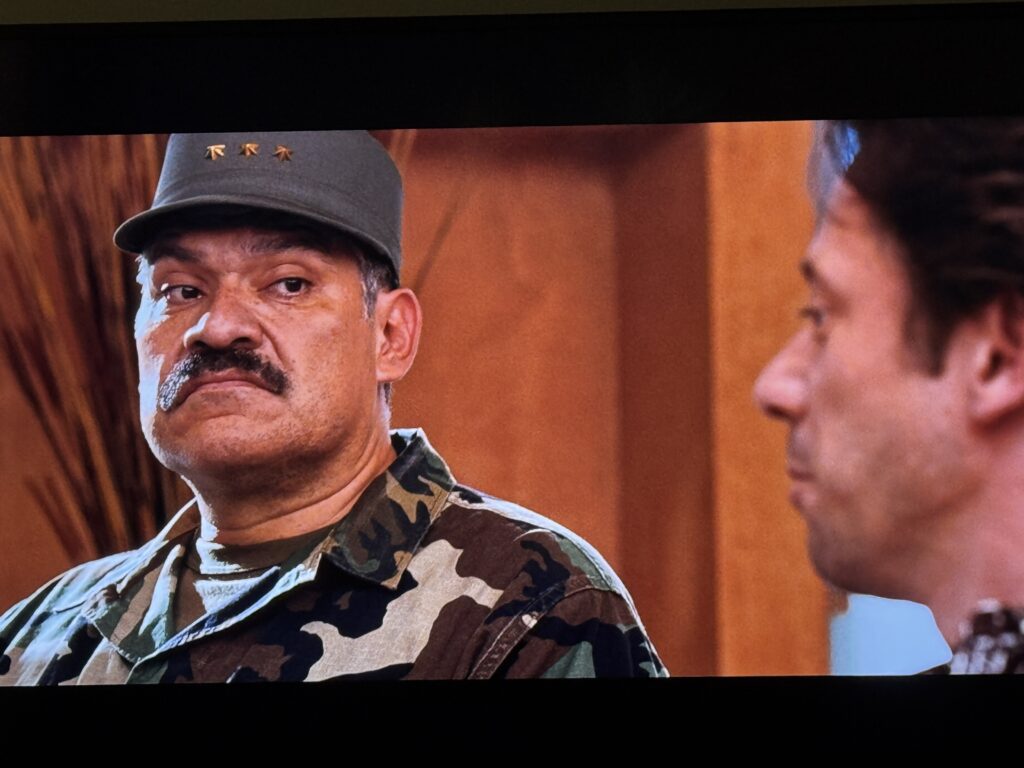
Mr. Greene is one of the more forgettable villains of the franchise. Such wasted potential for an otherwise fantastic actor in Mathieu Almaric. His ally, Bolivian general Medrano is just a stock-villain template with military fatigues. Because QoS spends so much time wrapping up the emotional turmoil of the previous film, the villain arc never really gets to be explored properly. It’s a relatively straight forward plot to give the film’s writers an opportunity to explore some themes like climate change, political corruption and wealth inequality. None of those themes ever really emerge as they are so on the nose as to be mildly annoying, thus failing to say anything at all. 3/10 on the villains, if only because Almaric still manages to out-act the poor material given to him.
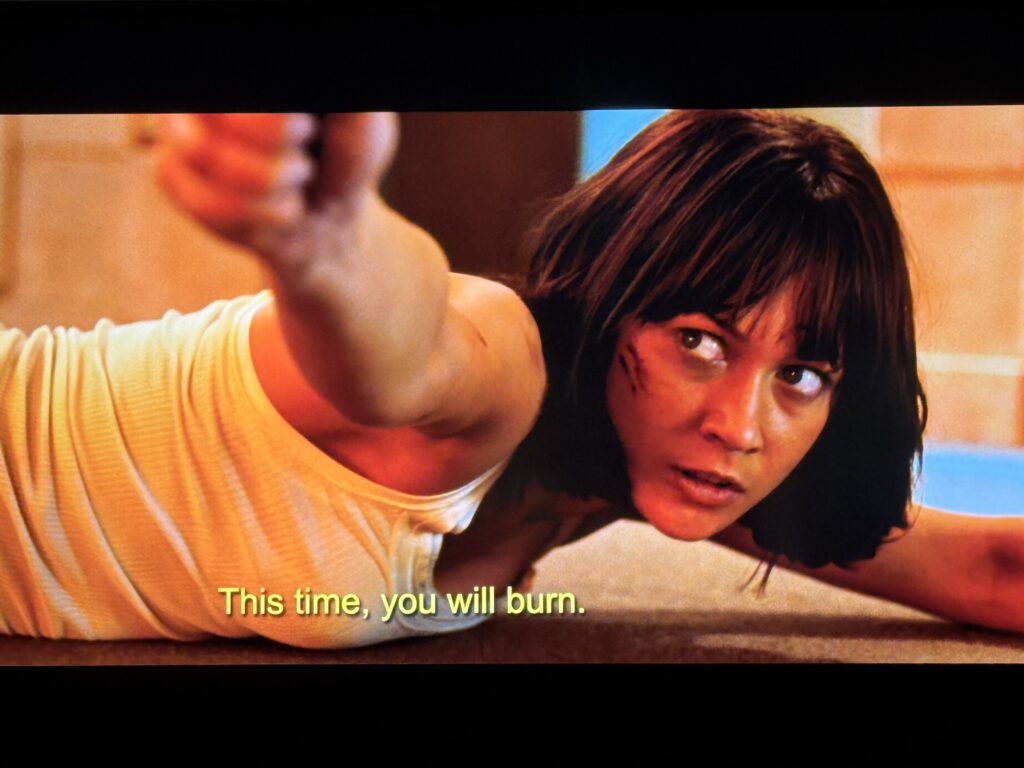
Olga Kurylenko is absolutely stunning as Camille, a Bolivian spy corrupted by her betrayal at the hands of Almaric’s Mr. Greene and his alliance with her enemies. While she aids in the films action, competent with a weapon, she never really feels like more than a cheap plot device and opportunity to explore Bond’s grief. She too was betrayed by her lover (Mr. Greene) and is now out for revenge, with Bond all too happy to play mentor. As a character she is little more than plot advancement, and a way for Bond to find closure himself. A rather forgettable character in a rather forgettable film. 4/10.
Garbage. 3/10.
Wildcard!
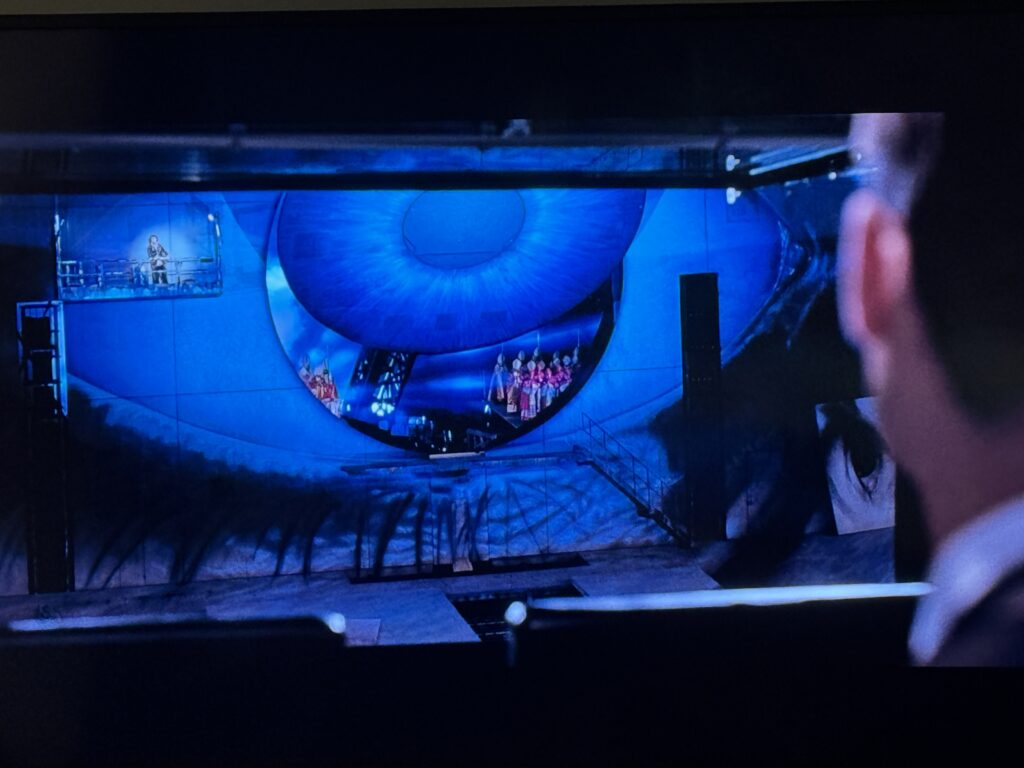
Bond finds himself in Austria at a glitzy opera performance to eavesdrop and photograph those involved with Mr. Greene’s scheme. The opera they are watching during the sequence is Tosca. The famous Puccinni opera is a tragedy about a famous singer and her lover, who she is forced to betray before taking her own life after watching him die in an execution. The use of this opera may be lost on many viewers, but it is clearly an allegory for Vesper Lynd, with its tragic climax mixed in with Bond gunning down Greene’s henchmen. Like much of this film, which tries to pretentiously say so much without saying really anything at all, it collapses under its own weight. It is a perfect way to showcase a film trying so hard to be artsy and evocative while failing in its main mission: to be an entertaining Bond film. 2/10 if only because this part was well directed.
Conclusion
This film is a dreadful mess. Not only is it a bad Bond film, it’s a bad film overall. Time has not made this one any easier to digest. I’d sooner rather just forget it and never view it again. 1/10, truly awful along with one of the worst Bond songs of all time, this may be the worst Bond film in the entire franchise as I cannot find almost anything good to say about it.
Discover more from MK Leibman Writer
Subscribe to get the latest posts sent to your email.