The Bond wheel of fortune delivered both Dalton films back to back. It’s entirely too much to combine, so I will set out to review the first of the Dalton outings as Bond by reviewing The Living Daylights. A sharp departure in tone from the Roger Moore era, the film stars a much more serious Bond in the Shakespearean trained actor, Timothy Dalton. I’ve mentioned that the balance of humor in a Bond film is essential to my enjoyment so I wasn’t sure what to expect when I turned this on. In fact when I was younger, I used to explicitly avoid these two films, with the rather flawed logic of: “the 80s are corny, I don’t want to watch a Bond film from the 80s!” Anyways, having only maybe seen the film once or twice, where will this one rank now that I also really appreciate the band A-Ha (who performed a pretty underrated title song here)?
My review criteria:
Story & Setting
Gadgets & Vehicles
Action Sequences
Villains & Bond Girls
Wildcard!
Story & Setting
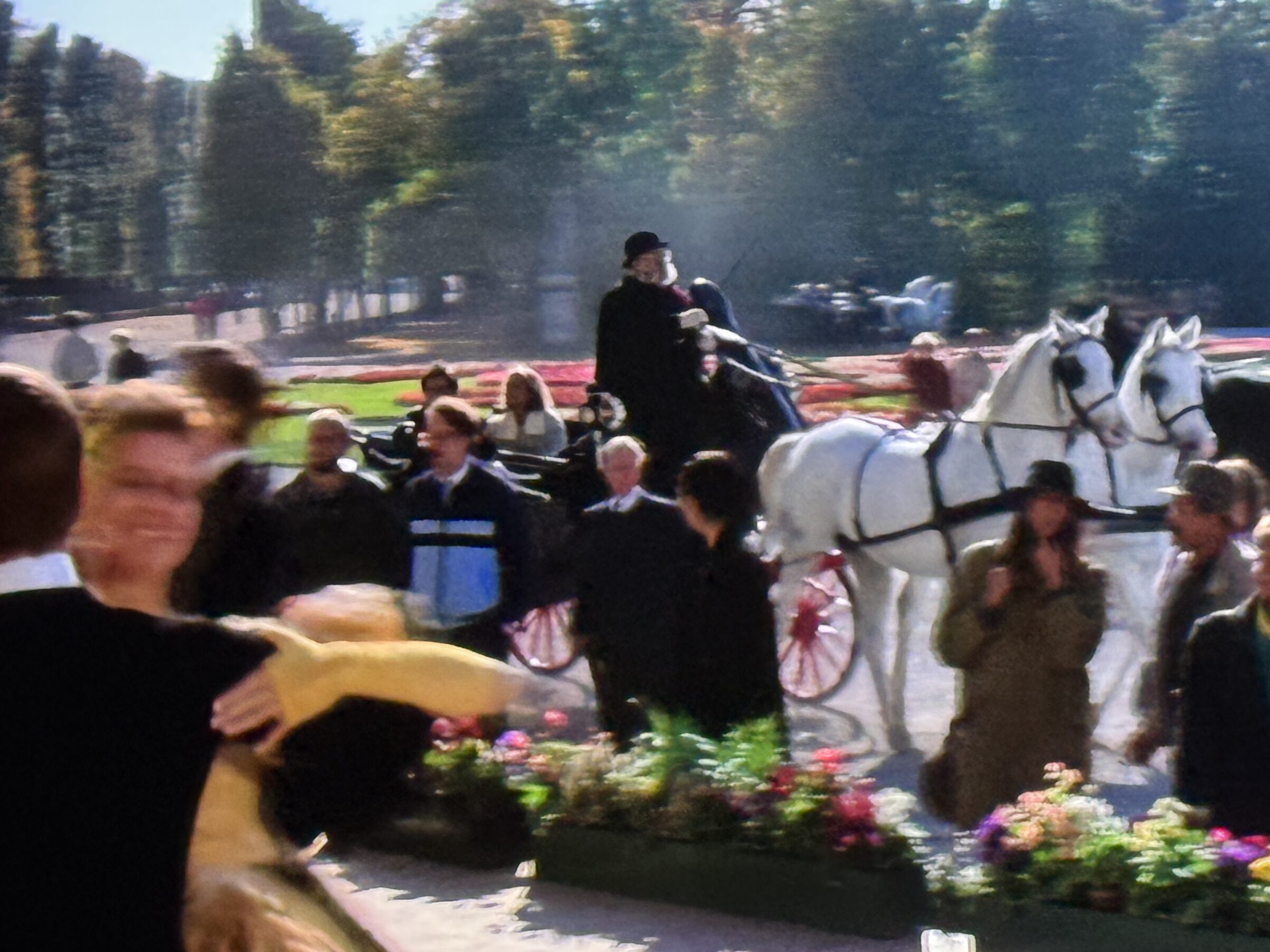
Our film starts with a pre-credits sequence off the rock of Gibraltar. A pretty iconic setting in itself, but which does nothing to prove memorable here since it’s the sabotage sequence which takes center stage. The first half of our film explores the cold world of the Eastern Bloc, Bratislava in particular. I will talk more about this in the wildcard, but I think the film’s direction does an incredible job of framing the city around Soviet paranoia, making maximum use of its Soviet setting. I think most fans will agree Austria is the standout in this film. The chase scenes in the alps, as well as the many posh Vienna ball scenes and park-life are wonderful little explorations of black-tie European society (great now I have Blur’s Park Life in my head, so much for 80s Bond!). The final half of our film takes place in what the Tangerine menace in the white house might refer to as “a real shit hole.” The shit hole in question? Afghanistan (after a brief few segments in Tangiers). Maybe it’s because we live in a post-9/11 world and this place no longer feels exotic as it does dangerous and depressing. This movie is all over the globe, and while we may not get any lairs to write home about, it does a good job with the direction of its settings, making each still feel immersive in their own way. 6/10.
Now for our story, and bare with me because this is without a doubt one of the more complicated espionage plots in Bond cinematic history. And I love it! Feel free to skip the recap and read last paragraph instead, it’s labeled with “skip to” for those who don’t want to hear about the plot.
We start off with Bond hunting down an assassin who has taken out 004, leaving behind a note: “Smert’ Shpionam.” After a tremendous bit of lead actor stunt work, Bond blows the baddie up. We then pick up the story in the Eastern Bloc in Bratislava, where Bond and the ultimate Karen of colleagues, Saunders, are sent to protect a KGB defector, Koskov. When one of the female cellists turns up on a third floor vantage point with a sniper rifle, Saunders tells Bond to shoot, he shoots the rifle out her hand instead (Bond’s moral code against killing women, or something else?). After helping Koskov flee in some excellent bit part work from Belle Avery as a Russian pipeline employee, Bond regroups with MI6 at a country estate. With Koskov securely in the custody of MI6, the rather flamboyant KGB defector tells Bond, M and the usual suits about how a general Pushkin is attempting to instigate a dangerous game of spy vs. spy, where he intends to execute several western agents. This is of course interesting to hear, since we’ve only just lost 004 and several other agents in Spain.
Enter one of the more striking blonde henchmen of the series in Necros (Andreas Wisniewski), a literal Ken doll turned psychopath. He infiltrates the estate and kidnaps Koskov to return him to the Soviets. Moneypenny, played by Caroline Bliss, comes through clutch with the identity of Bond’s cellist. We learn Bond didn’t kill her because he could sense she wasn’t a pro, “I only kill experts,” he later tells Saunders. Back off to Bratislava, Bond tracks down our cellist, Kara Milovy (Maryam d’Abo). She is instead abducted by secret police, but Bond tracks her down via her cello left aboard the tram. It’s filled with a gun loaded with blanks (smart audiences members, myself included, will pick up on the fact that this defection by Koskov was faked to frame Pushkin and Kara is a ploy).
After Pushkin attempts to cancel a weapons contract with your most stereotypical American military villain in Brad Whitaker (no relation) in Tangiers, we start catching up to the deception. After Bond and Kara make a dramatic escape across the Austrian border in one of the film’s more memorable action sequences, Bond uses her apparent love for Koskov to fish for more information. He learns he purchased the $150,000 cello for Kara, hardly a KGB man’s salary. Saunders is on it, 007 was right after all to keep Kara alive…
In case the audience hasn’t confirmed it yet, we see Koskov and Necros meet with Whitaker in Tangiers at his villa. Koskov plot dumps his plans to secure the weapons contract and do away with Pushkin, who he believes MI6 will take out. This guy is every 80s sleezeball villain ever, down to the neck-length slicked back hair. I can smell the aqua net through the screen…
Anyways, after Saunders is killed in Austria with the same “Smert’ Shpionam” note, Bond suddenly remembers he speaks Latin, as it means “death to spies.” Bond sets out to Tangiers to confront Pushkin. When he confronts Pushkin, he confirms Koskov is the real villain here. Bond helps frame Pushkin’s assassination to convince the hostile party that MI6 is still duped. After the deed is done, the CIA and our old friend Felix Leiter abduct Bond and fill him in on their investigation of Whitaker (they’re following the same case at opposite ends).
Bond returns to the hotel where Kara has betrayed him to Koskov, thinking Bond was just using her. Before Bond passes out due to chloroform, he tells Kara the truth. She does seem to believe him, because she helps him out on the plane, and later flees the base in Afghanistan with him. Our finale reveals that Koskov is using a drug deal with an Afghan separatist faction to finance the weapons deal since Pushkin cancelled the order. Bond, with the help of some old CIA pals, the Mujahideen, exacts revenge and sabotages their flight at the airbase. Let’s hope none of our horseback riders get ahold of a pilots license in a decades time… Anyways Kamran Shah is likable enough to make an enduring ally even in spite of modern political perspectives. Unlike some of the other warlords, he is framed relatively favorably and ultimately helps Bond save the day. In what then feels like an epilogue, Bond also takes out Whitaker in Tangiers, and Pushkin takes Koskov (who somehow survived getting struck by a plane amid a fireball) into custody.
(Skip To)
So after all that (phew), where does this story rank? I’ll be honest, there’s a LOT going on, but it is a very well written main plot. Sadly what undoes this film a bit for me is the incredible screen time allotted to Bond and Kara’s relationship. It really bogs down the middle of the film, and by the second act starts to become really irksome as it seems to get in the way of plot advancement, especially by Afghanistan, making this film drag. If some of this film had been left on the cutting room floor, it could have allowed this film to really feel a lot tighter allowing its story to properly breathe. For that reason it gets a still very solid 7/10, but it could have been higher because it’s an outstanding espionage tale, and one of my favorite stories in the series.
Overall between the solid use of settings, and decent story albeit with poor cinematic pacing, this gets a 7/10 overall.
Gadgets & Vehicles
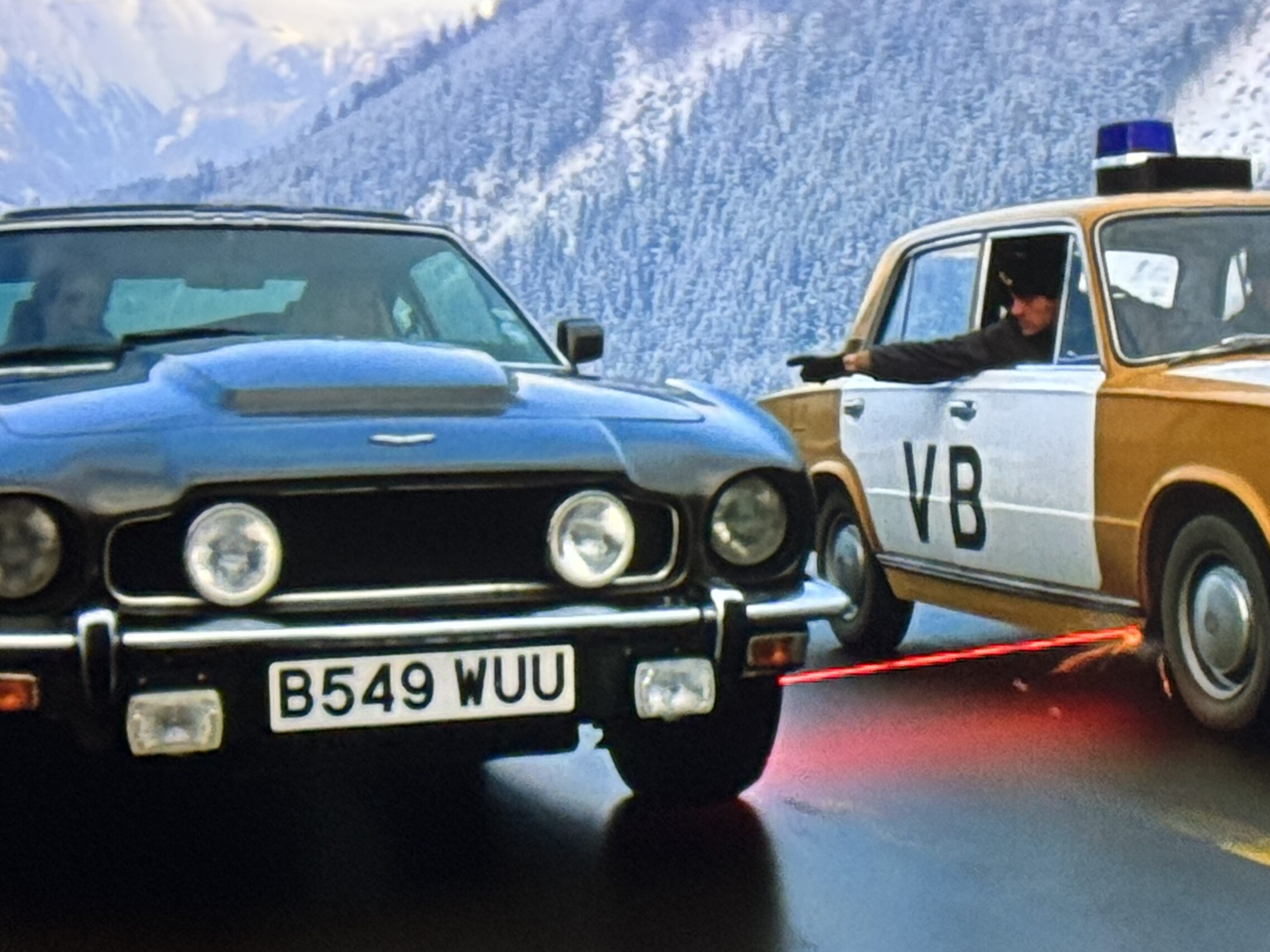
This is undoubtedly a strong suit for this film. The Aston Martin has literally everything you could want in a Bond car (lasers, missiles, snow tires, skis and the list goes on). Not a gadget in this vehicle goes unused during the chase scene in the alps. It’s just so memorable. A shame it got blown up, especially with Q’s new paint job, he won’t like that.
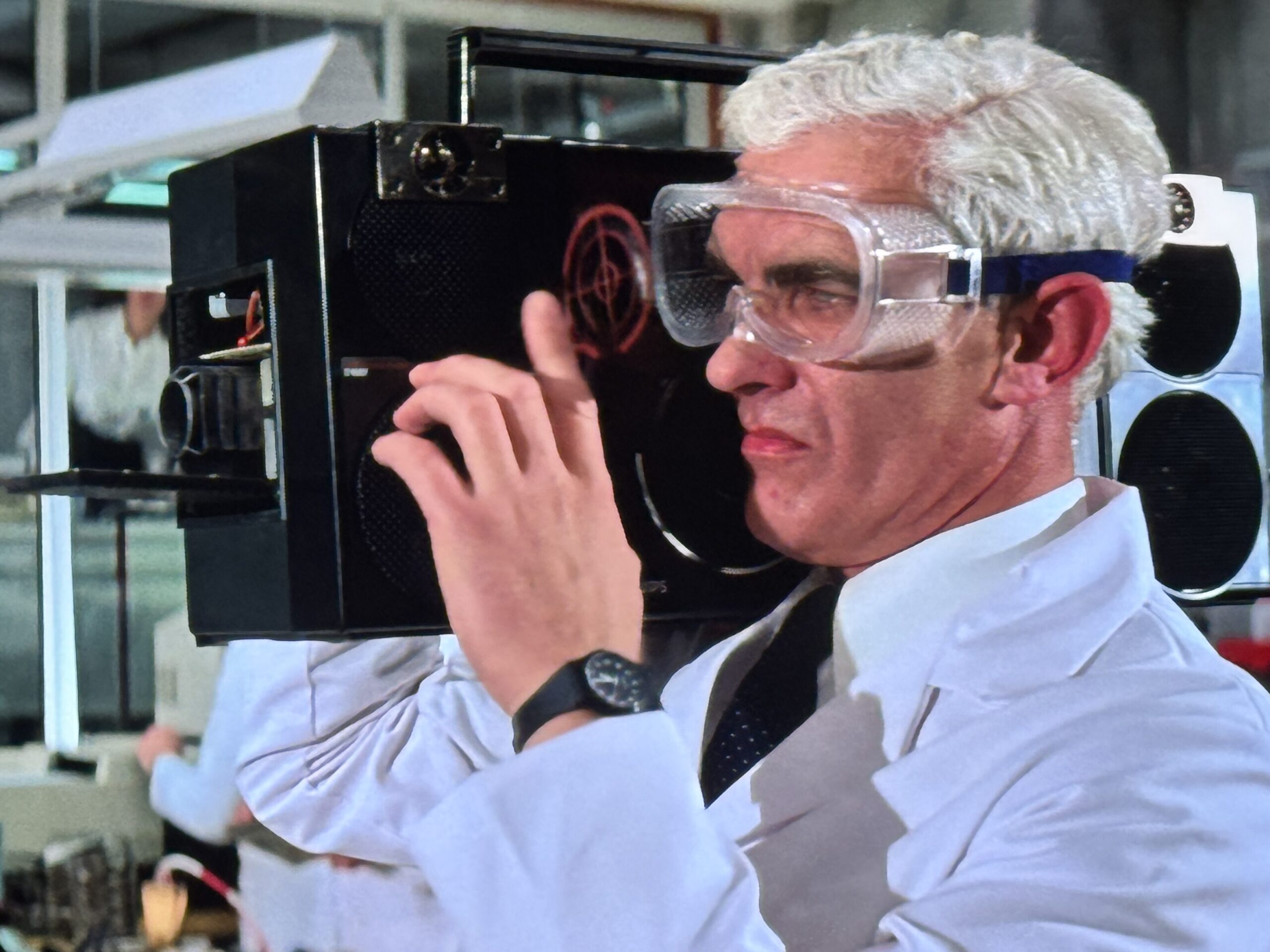
Before I get into mission gadgets, who can forget the incredibly funny “ghetto blaster,” a throw away boom-box missile meant to parody American excess. Just no notes, perfection.
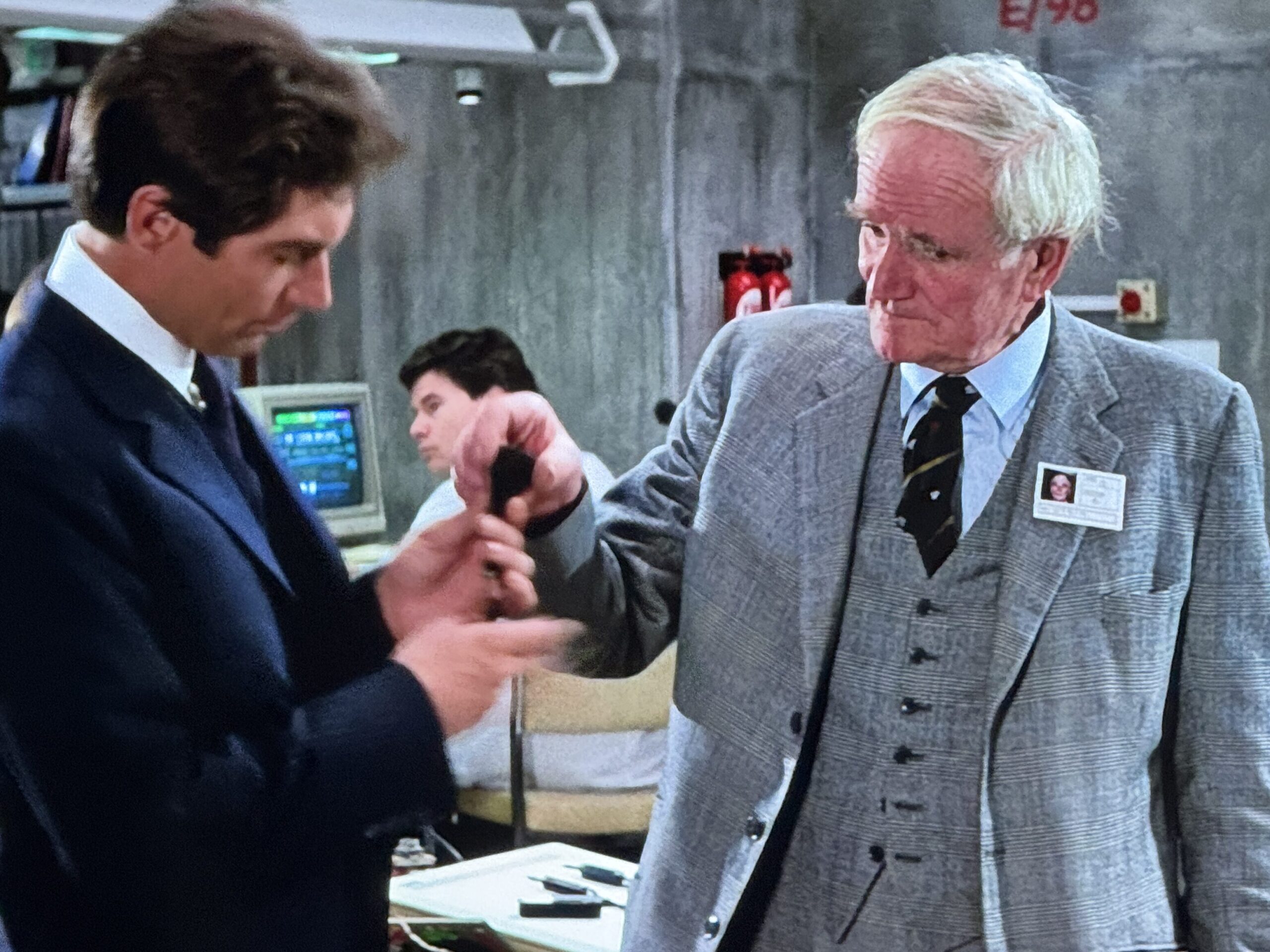
The mission gadgets play an equally important part in the story, including our key-fob, which becomes activated for stun gas to the tune of Rule Britannia. I certainly hope Bond doesn’t attend a football match, because he better leave his keys in the car! It also has an explosive activation. Bond uses both these features to escape and kill Whitaker. It’s a great creative gadget employing just the right amount of camp and functionality.
I’d be hard pressed to award Q branch anything less than a perfect 10/10.
Action Sequences
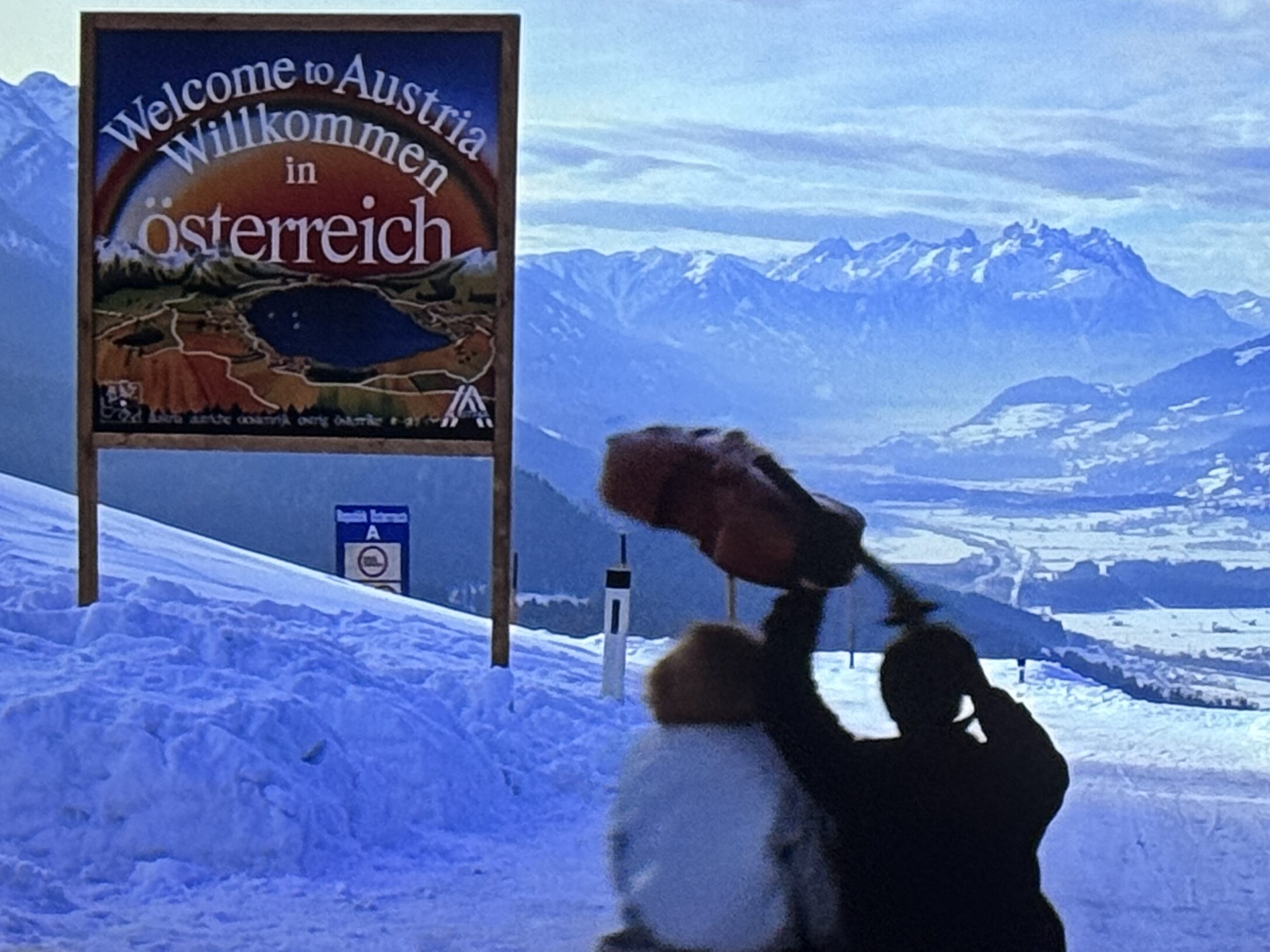
The standout for this film is undoubtedly the snow chase scene, with Bond employing his Aston to full effect. It’s a tremendous bit of Bond comedy done well, with the car at one point getting stuck in a cabin. The highlight though is Bond and Kara fleeing over the Austrian border in a cello case used as a sled, “we have nothing to declare,” Bond quips to the border agent. No notes, brilliant fun even if Dalton is notoriously bad at humor.
Another standout is the base showdown and true finale aboard the cargo plane. It’s tremendous fun watching the Mujahideen horsemen and Kara charge about the base. Shoutout to another memorable bit of comedy when Shah uses the bulldozer to scoop up some Soviet grenades for special delivery. The stunt work aboard the airplane, where Bond sends Necros to his death is super satisfying.
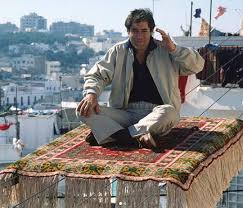
I am also one of those who would’ve liked the “magic carpet” ride to have been included in the final cut of the Tangiers rooftop chase, just to break up what felt like a largely humorless second half. The second half overall just drags on and on. The final showdown between Bond and Whitaker feels more like an epilogue than a proper fight, especially after the intense battle at the airbase. It’s just not that great and feels a bit cheesy, with a showdown in Whitaker’s military museum wing concluded with a gadget.
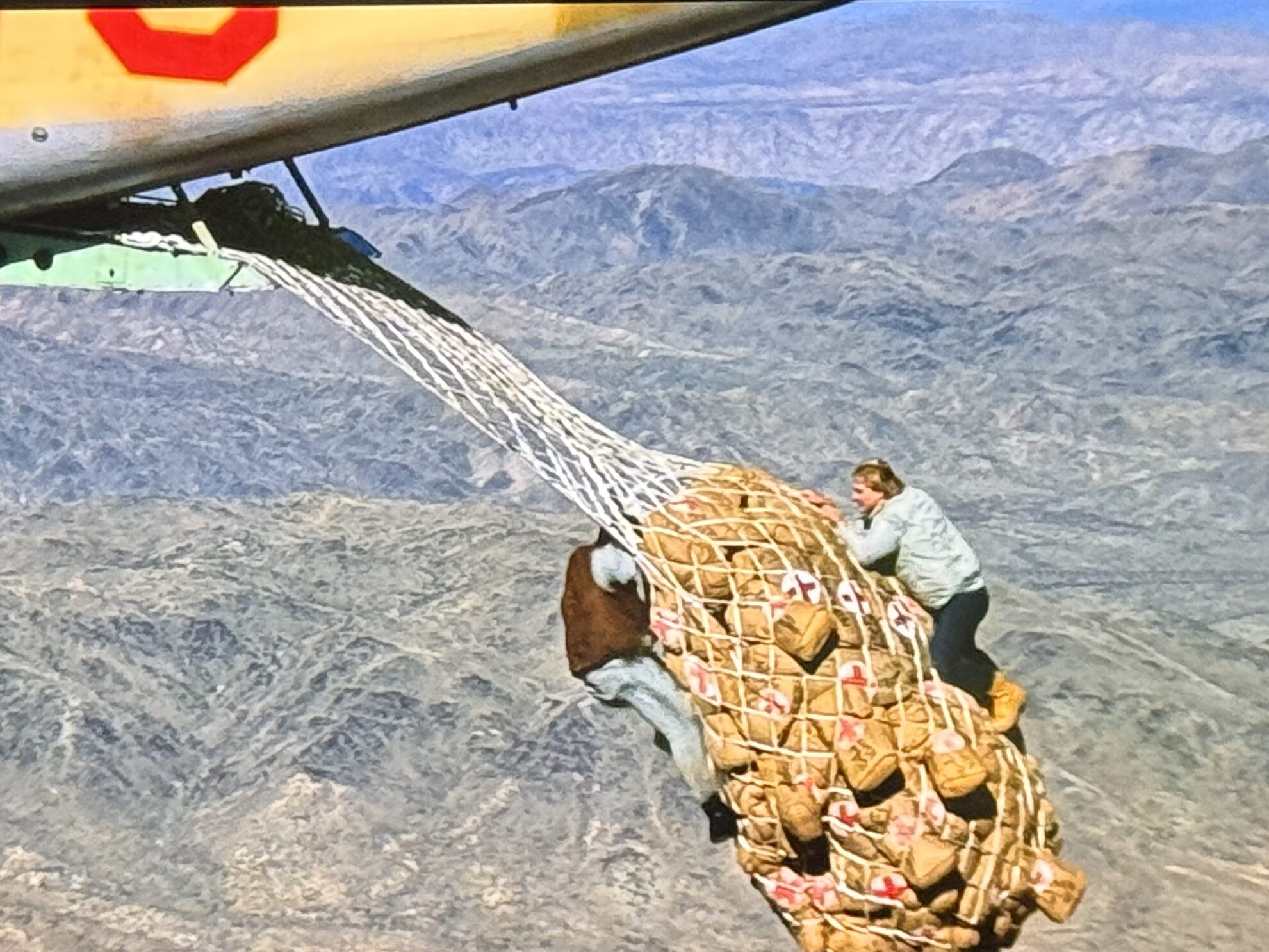
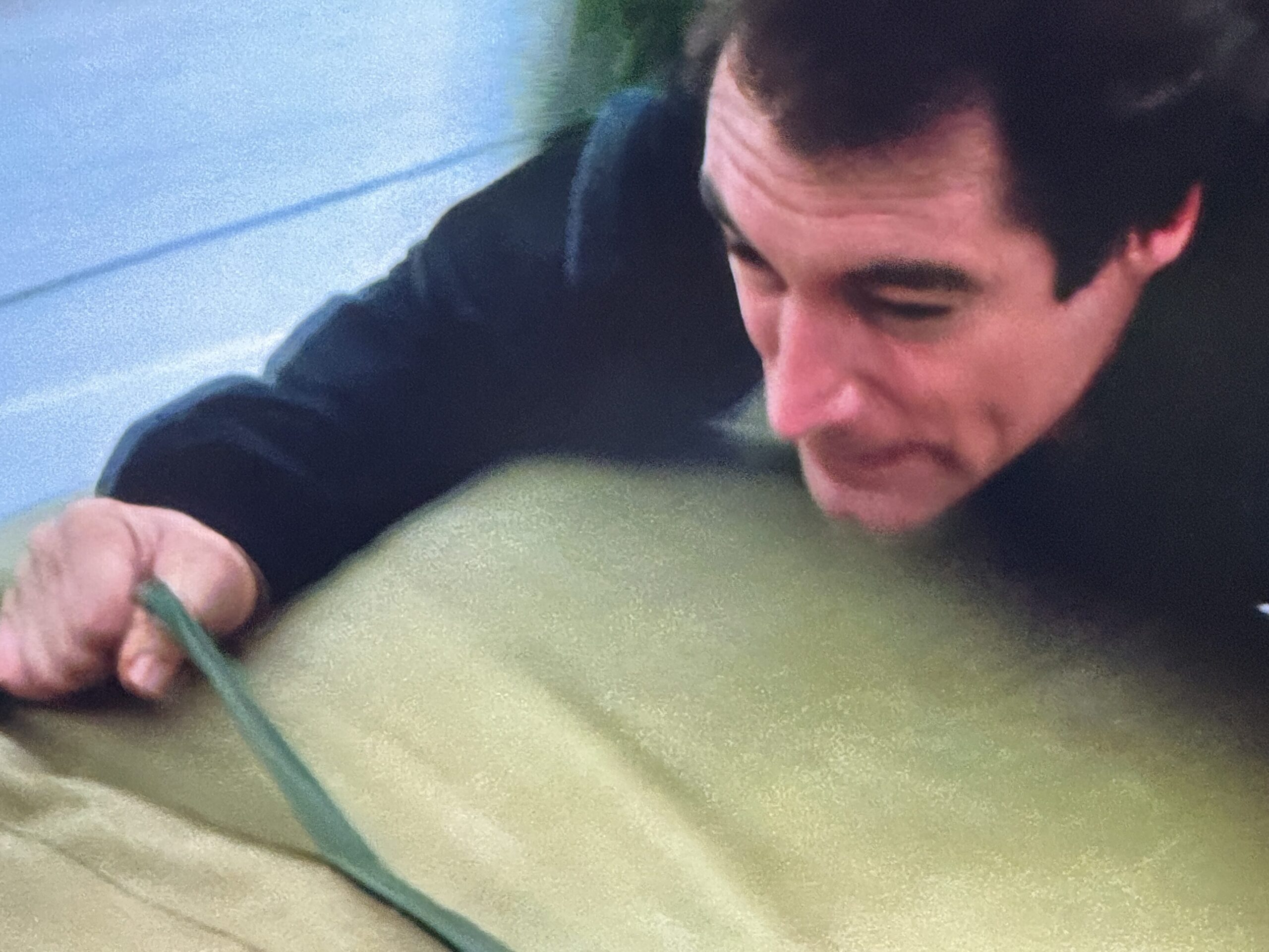
The real final boss fight is actually between Bond and Necros aboard the plane at 10,000 feet. This is an actual real live bit of stunt work too. Kara is trying her best at the controls of the C-130, but unwittingly puts Bond into peril as he and Necros fight for their lives, all the while a bomb ticks down to zero hour. This scene is tense, high octane and perfectly captured.
With some memorable stunt work and a couple great bits of action, the film lands the action it does portray well, giving it a very solid 8/10.
Villains & Bond girls
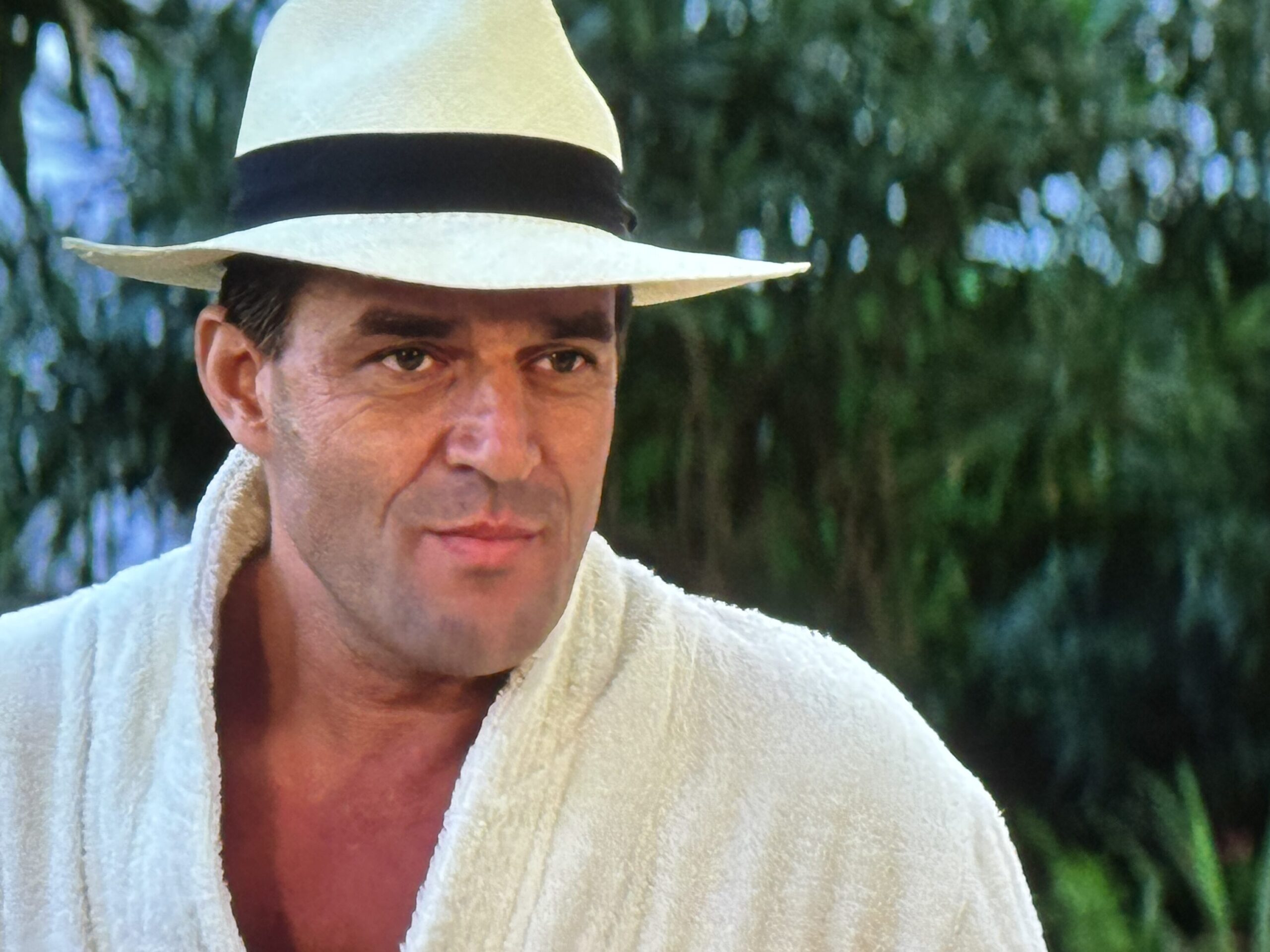
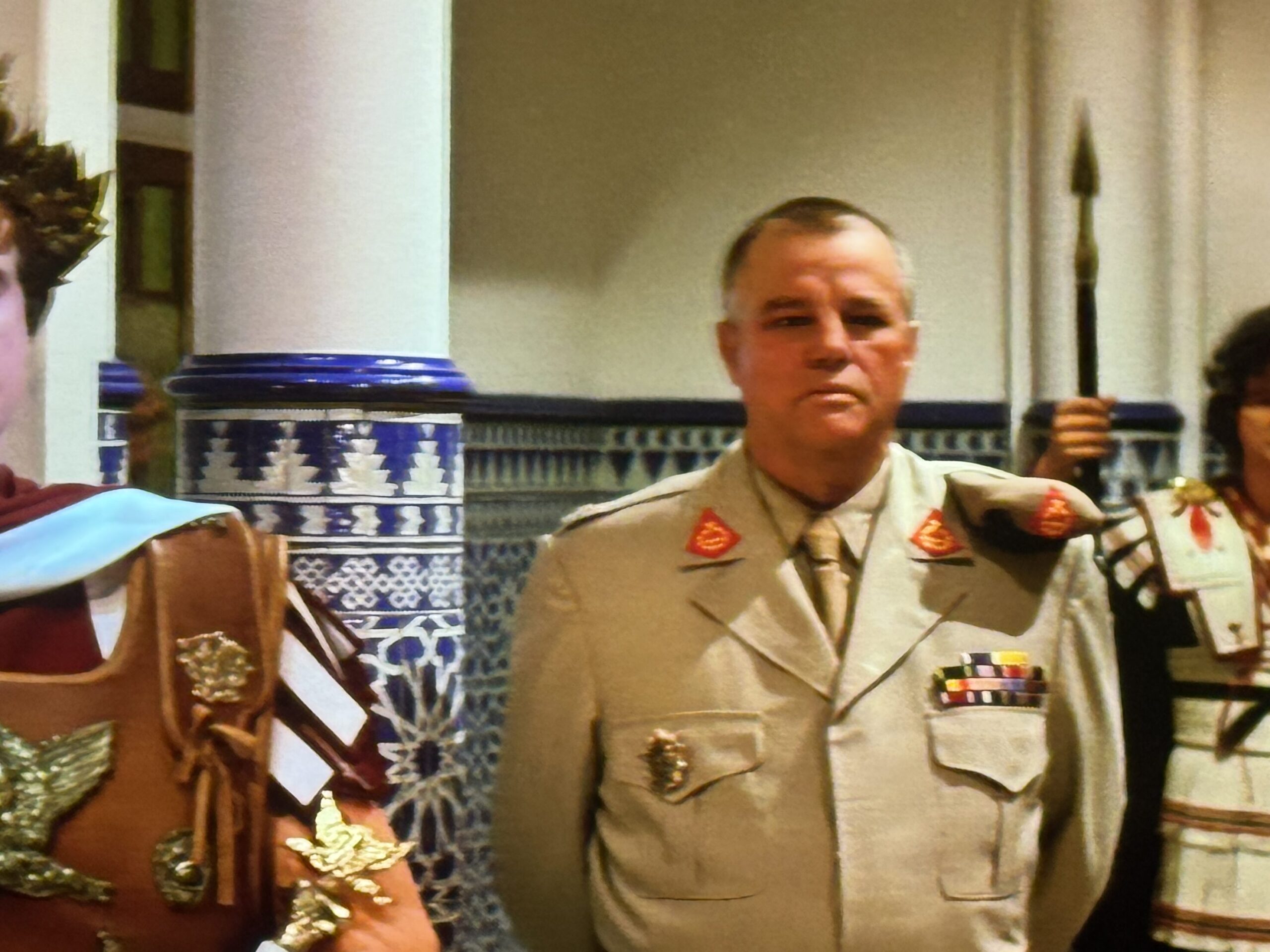
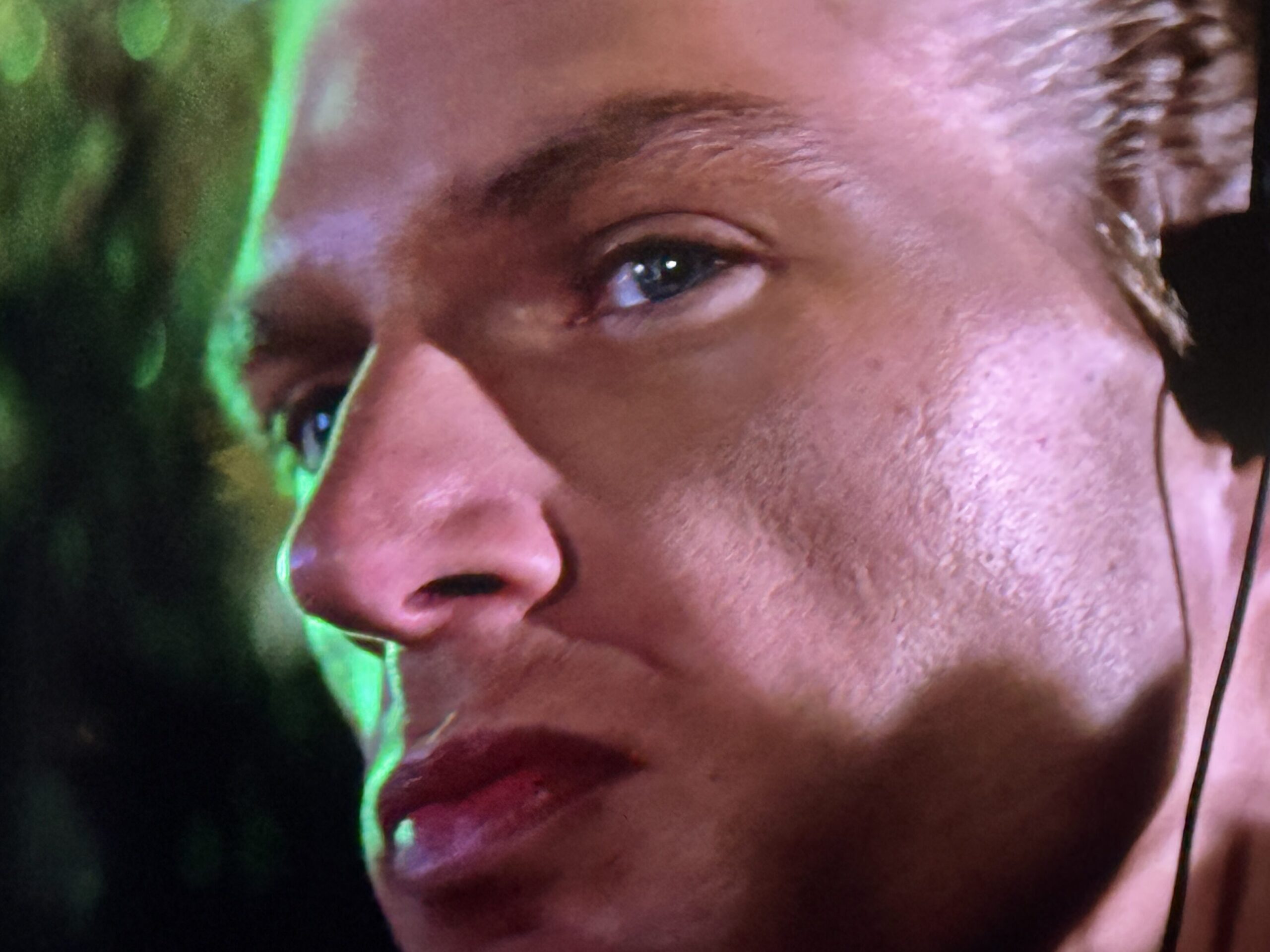
We get a duo of villains in this one as it is hard to really differentiate between Whitaker and Koskov as main villains. I view them as partners in crime.
Unlike other Bond films where world domination or major terrorism is a motivation, these guys feel a bit more grounded in low stakes scumbaggery. It’s believable, which is fine, but neither of them are scene stealing characters.
Koskov is a sleazy, if not shamelessly good-looking womanizer and KGB “defector” who is spinning webs of deceit. He’s smarmy and leaves smears of grease behind in every scene he’s in. He gives me the ick. Maybe it’s because I saw his performance at the country estate as him overselling his defection to MI6, but his reveal as a villain was not surprising to me. I suspected him being a rat the moment he got into the trunk of the Audi in the Eastern Bloc. 5/10
Whitaker feels cliched, inspired by the war-loving American general (although as Pushkin points out, he was tossed from West Point for cheating and only ever served as a mercenary). I feel like our filmmakers were trying to channel Lt. Kilgore from Apocalypse Now but got whatever the Austin Powers version of that might be instead. He’s not convincing in the role, feels miscast, and is just an overall chucklehead. 4/10
However, Necros is great. Necros is that sadistic, sociopathic henchman fans have come to know and love. I especially love how he uses headphones blasting corny 80s music to strangle several of his victims with a coldness that screams American Psycho. He’s just so good in this story, and I am glad we get more of him than either of the main villains. 7/10
6/10 for the villains, saved from a lower rating only by Necros who we see the most of.

Now onto a rather divisive Bond girl in Kara Milovy (Maryam d’Abo). I find her character believable and well written. While her naiveté may irk some fans, and gets tiring after a while, I don’t need every supporting character to have a well defined arc, least of all the supporting woman in a Bond film. The fact she is as naive and vulnerable in the beginning as in the end is to be expected given her life experience to date. At least she tries to help more than Tiffany Case (even if she may be only a step above that at times). I get why folks don’t like her but I think that’s because the film makes the mistake of over-utilizing her more than anything else. The film spends way too much time in the middle of the second act with her and Bond, but I get why that’s important: it shows Bond earning her trust. This feeling of abandonment is core to her character’s experience, and when faced with Bond’s deceit, she cannot be sure who to trust (him or Koskov who was also using her). Milovy is really just looking for love, and between these two men and their spy games, she is jaded. But by the conclusion of our film, it is she who leads the Mujahideen into battle at the airbase when Khan was ready to abandon Bond. That’s the sort of agency we love to see in a Bond film, and because we spend so much time with her and Bond – even if it does drag at times – we understand why she cares so much. She is genuinely a do-gooder, aspiring to a life of meaning. This is a very strong Bond girl, and as my retrospectives have continued I find myself liking her more and more. 8/10.
Overall, despite some lackluster main villains, our Bond girl and henchman deliver outstanding performances. 6/10.
Wildcard!
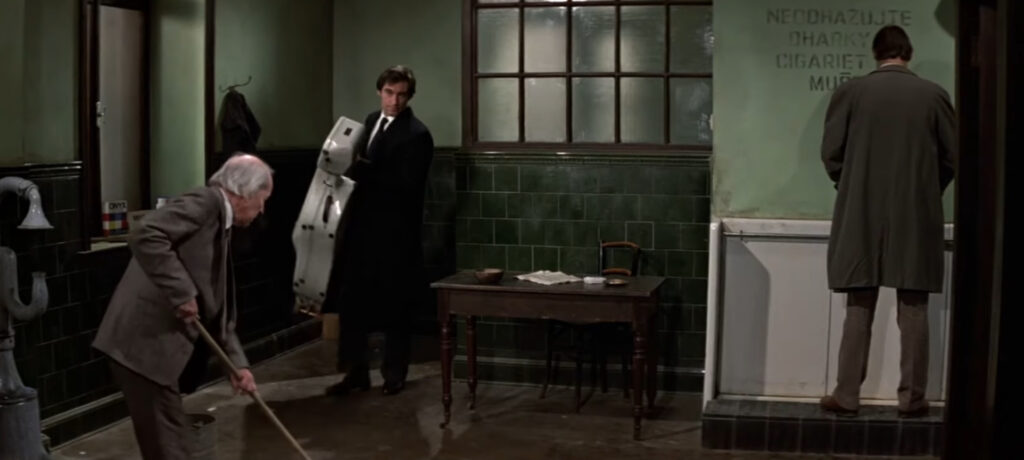
Let’s talk about how good the spy drama is in this film. Directed by John Glen, a man who has directed more Bond films than anyone else, he gets some things really right, and other things very wrong.
Let’s talk about the good: the use of Bratislava and Soviet paranoia. I love how every citizen in this city feels like they could rat you out to the police. From the tram-riders to the guy sweeping up in the rest room. There’s this unsettling suspicion that captures that Eastern Bloc unease so well. It really aids the vibe of our main plot and its extensive duplicity really well.
However, the film took a sharp left turn in plot and tone in the second half. I think Glen and others were still trying to figure out how best to employ Dalton as Bond and it is his newness to the role that makes this film less enjoyable for me. I can never really picture Dalton as Bond, and maybe that’s only because we got two films wthi him before he got a chance to make his mark. The whole time I am watching the film, I wished Pierce Brosnan didn’t have to turn the role down in 1987 due to Remington Steele. A theater actor by training, Dalton is famously bad at delivering humor and his chemistry with Milovy (an excellent Bond girl) feels lacking. While there are certainly still humorous moments in this film, it’s not coming from Dalton/Bond. The film spends too much time getting lost in the Kara-Bond relationship, which due to a lack of chemistry, feels drawn out and tiresome to watch. The choppiness in pace in the latter half of the film (especially Afghanistan) could have benefitted from more editing and intentional direction.
Overall the good and bad even out to a respectable 6/10.
Conclusion
This film is better than it has any right to be. Yet I can’t help but wonder what would have happened if Brosnan, who was close to signing for the part, had the role instead of Dalton. I think Brosnan would have elevated this film to top ten for me. I am not saying Dalton is a bad Bond, he’s just not my preference in the same way I dislike Craig’s lack of humor in the iconic role. I do also feel like the film struggles with pacing and I think Brosnan or even Moore in his prime would’ve leant the film more enjoyability in the quieter parts where scenes most rely on Bond as a charming character. The film just feels a bit tonally weird to me because Dalton just isn’t comfortable outside the serious action parts and since I don’t have a lot of nostalgia for this era of Bond films, it’s just a bit of a letdown considering how strong the overall plot is. Now that I’ve gone further in my review of the series, this one actually stands out, even more so than its successor. 6.5/10.
Discover more from MK Leibman Writer
Subscribe to get the latest posts sent to your email.