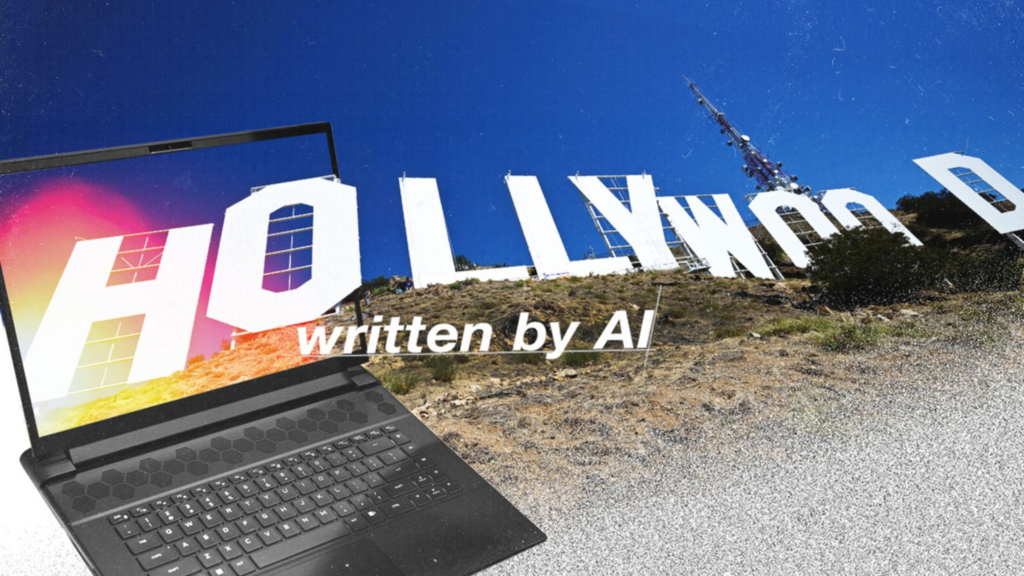
Yesterday I wrote a post about how nobody intentionally tries to make bad films. I think for the most part this holds true. Except for those who are uniquely motivated by profit to the point that it brings about the destruction of your own industry.
The director lambasted in yesterday’s post, Timur Bekmambetov, made headlines at the end of 2025 with his announcement of a $5m investment in AI, called Stanislavsky (an insult to a man who made a method out of HUMAN understanding). The program plans to use AI actors instead of human beings, with the first project slated for release in either 2026 or 2027. This announcement comes on the heels of nearly a decade of his divisive ScreenLife technology also derided for taking jobs from competent filmmakers to produce what is tantamount to slop (with few exceptions).
I have long shied away from criticism of this man due to professional reasons. Today I am no longer going to do that. At the outset of this year, I vowed to go to war against slop and the callous misuse of AI that replaces creative expression fundamental to the human experience. So that is why I am going to hold nothing back in this post.
Timur will try to tell you with a straight face that he is simply accepting the inevitability of AI, and that we simply must embrace proper use of it as a technology aid. I call bull shit! You have been working on this “invention” for a decade, this wasn’t a sudden pivot to market forces. No! This is a cynical investment of $5m earned from an industry whose artisans helped make you a very rich man, only for you to turn around and help steal their jobs!
There is no defending this. While I think we can all agree to disagree on critically panned films he directed, like Abraham Lincoln Vampire Hunter or even the much maligned remake of Ben Hur, I think we can at least respect that however flawed, they were still made by human beings. They provided hundreds if not thousands of jobs and careers to people, including some of my friends. When you instead pivot to making Amazon product placement via a format like ScreenLife, you deprive hundreds if not thousands of people jobs on a traditional film set. Now by adding AI into the mix, you replace the few actors still willing to embarrass themselves starring in one of your ScreenLife films with a computer-generated deepfake based on the contributions of a century of human method acting.
Yesterday’s post also saw me beg a former mentor to cut any professional ties with this filmmaker, despite past allegiances or even the fact I know him to be a genuinely decent and likable person by all accounts. Now for all I know, having long been away from the industry himself, maybe my former mentor largely has cut professional ties. I say this not to criticize his past associations which were formed with good intentions, but to defend his reputation against being associated with someone who today seems determined to use new technology to pad his own pockets at the expense of any creative expression or desire to make commercial art in a fair and organic manner. I would hate to see someone I deeply respect and care about align themselves with such misguided endeavors. I believe the embrace of AI at the expense of creative human expression and jobs is a moral failing akin to supporting the fascist Trump administration. This is something I see in very black and white terms. It is not something I can forgive of anyone, as it is deeply immoral and wrong.
Now for some productive optimism, this is how I believe we fight AI taking jobs in an industry already reeling from the pandemic, monopoly power, and outsourcing:
- SAG should create a blacklist of any directors or filmmakers who replace union talent with AI actors. If your film uses AI actors, you should be prohibited from using SAG actors on any of your current or future projects.
- The DGA should create a blacklist of any directors or producers who seek to replace unionized directing positions with AI prompt tools or similar uses of AI that displace workers/members.
- The WGA should create a blacklist of any directors, writers, producers or executives who use AI prompt tools or other AI tools which replace human labor/members for ANY part of the writing and development process, from idea conception through to all stages of production. This includes use of AI tools and programs in pitches and promotional material.
- All creatives (from music, publishing and Film/TV) should sign their names to an AI embargo list and work with lawyers to aggressively pursue any use of their likeness or work by AI tools.
- I think we need a tool that slaps warnings on AI-generated commercial content/film/TV so consumers can make educated choices; i.e “this film was made with artificial intelligence.” Even a boycott list to start. Think of it as a consumer education tool, similar to ones used to differentiate an organic product from one labeled “uses artificial ingredients.”
In the interim we as consumers can continue to tell these philistines that it is the human experience that draws us to theaters and the small screen, not work regurgitated by a computer prompt. We must make sure to boycott any and all work produced, directed or promoted by people who stand in opposition to labor fairness and the human creative process by using AI instead of artists and tradespeople. We must also continue to be vigilant against slop content across social media platforms and video and streaming by negatively reviewing it, disliking it and refusing to engage with it until platforms develop a responsible warning to viewers against AI crap.
The war on slop begins and ends with human beings like us. There will be numerous charlatans like that director-producer all too eager and happy to profit from the irresponsible use of technology for personal gain. If we refuse to support it, and better yet, organize against it we can stop it.
****
OPTIONAL: I wanted to take this epilogue space to address prospective concerns about being so forthright in my criticism.
1. How might your connections in representation feel about you saying something like this?
I am pretty sure they’d be inclined to agree. Every AI slop film or show is one less client of theirs making the agency/management company money.
2. What if your former mentor doesn’t have a choice?
We all have choices. Development hell can remain a final destination or you can buy folks out of their share. He once told me to get anyone, and everyone to read my writing. I have, and that’s worked well for me. Maybe he should take his own advice and branch out if he even desires. I feel like he’s made the wise choice to retire (who can even blame them).
3. Shouldn’t you be more diplomatic?
People’s livelihoods are on the line and you’re asking me to be diplomatic towards someone who has not expressed an ounce of remorse for those whose jobs will be permanently lost by their investment? Spare me the outrage. Besides, I’ve been very clear I have no desire to work in that business. I am a novelist.
4. Is defending your mentor’s reputation even called for?
People who care about someone will be honest even when it’s hard. That’s called being a real friend or loyal ally. Besides, he’s already steered clear for over ten years so I’d say the defense probably wasn’t even necessary. He has no flops on his resume, which is pretty damn impressive as well, regardless of the critical reception. It’s more of a cautionary hope that I don’t see a ScreenLife turd with his name on it and I doubt I will. AND if the sequel to the big hit ever happens, get that director out of his contract or walk away before it gets tainted with stink. If the studio felt they could profit with him at the helm, it would have had been greenlit years ago but nobody wants it to be turned into ScreenLife slop (btw they don’t know who else I know on that production, a lot has happened in 13 years).
Thanks for reading, and remember that slop stops with all of us! ScreenLife should go the way of the MetaVerse as another failed technology venture forced upon end-users that have no desire for it. And of course AI has no business in the creative process.
Discover more from MK Leibman Writer
Subscribe to get the latest posts sent to your email.