If there was any Bond film that I can imagine Quentin Tarantino wishes he directed, it would be Live & Let Die. Never has a Bond film felt more like a Quentin Tarantino film than this, maybe that’s because of the Blaxploitation angle, or the tributes it pays to a certain era of American police procedurals. Of course the film came out in 1973 and was directed by series veteran Guy Hamilton. This film gave us a memorable cast of Bond villains, introduces us to Jane Seymour, and debuts Roger Moore as Bond with a theme song so iconic it has surpassed the film itself. Often considered one of my past favorites, where does this one hold up now?
Setting & Story
Setting
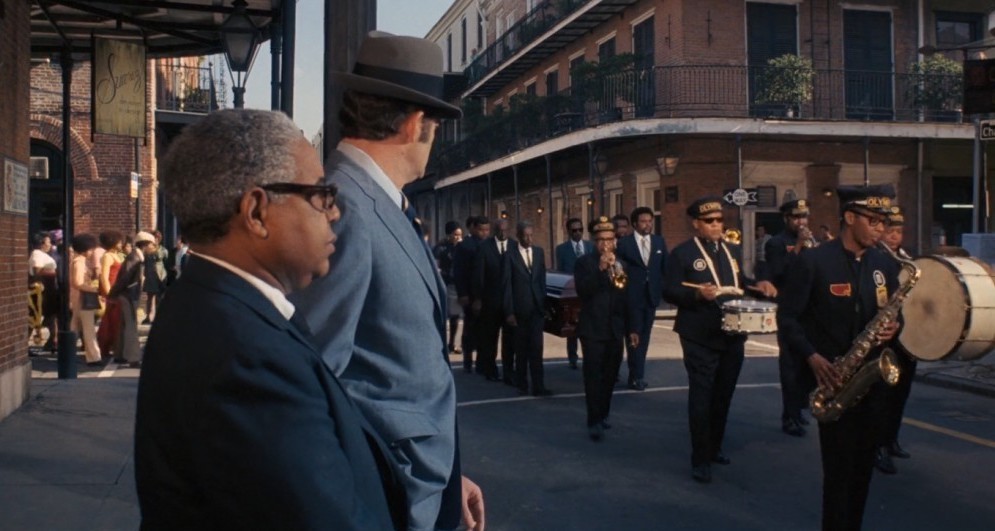
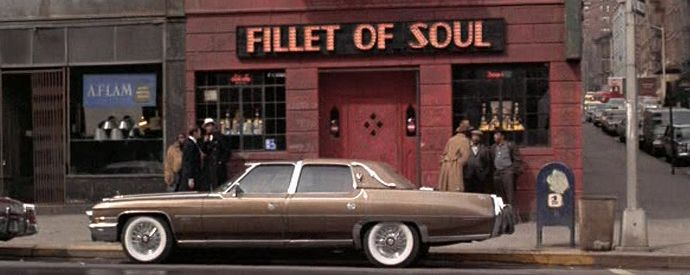
Let’s grab a bite at Fillet of Soul, our franchise of bar/restaurants catering to a hip African American crowd. When Bond walks in, he is sorely out of place and it makes for a nice fish out of water vibe that also contributes to our humor. There are more trap doors in this movie than the entire series to date. I guess if you have a psychic in your employ, you know just where Bond is going to sit in any number of your Fillet of Soul franchises? Whether the Harlem location, or New Orleans, Mr. Big aka Dr. Konanga is waiting for you below. “How is he coming Solitaire?” “By table and chair sir.”
Overall I really like the idea of introducing a new Bond in a fish out of water setting. He is foreign to the setting in the same way Moore is still foreign to the role. When Bond is later approached by the Black CIA agent outside the Fillet of Soul, he remarks “nice disguise you got there Bond,” to which 007 aloofly replies, “what disguise is that,” — “a white face in Harlem.” Whoosh, over Bond’s head.
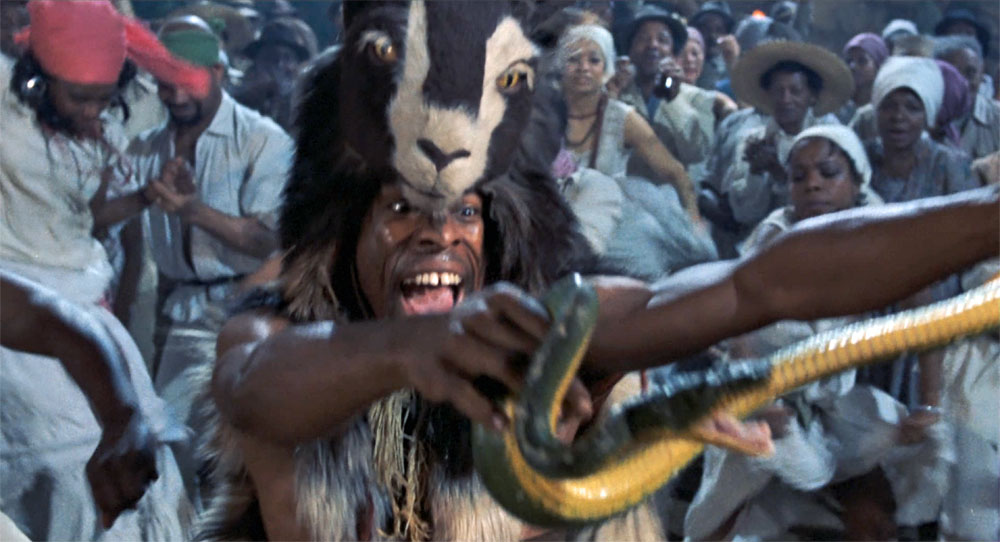
Beyond our gritty urban landscape, we also travel back to Jamaica only ten years after Dr. No. Of course Jamaica is actually a stand-in for the fictional island nation of San Monique. Voodoo as a theme is well established throughout the film, from little voodoo scarecrows with cameras and gun-barrels, to various totems and artifacts like the small hat with a feather, motifs are everywhere. Whether on the island in Baron Samedi’s graveyard or in the oh-cult voodoo shop in Harlem getting your stuffed snake wrapped length-wise, voodoo is an establishing representation of setting. It’s what contributes to the feeling of the film, and adds a supernatural element unusual for Bond films.
The second half of our adventure spends considerable time in the bayou’s of Louisiana, introducing us to Sheriff JW Pepper. I just wish we got to see more of New Orleans, which felt like a sound stage depiction of Bourbon Street in this film.
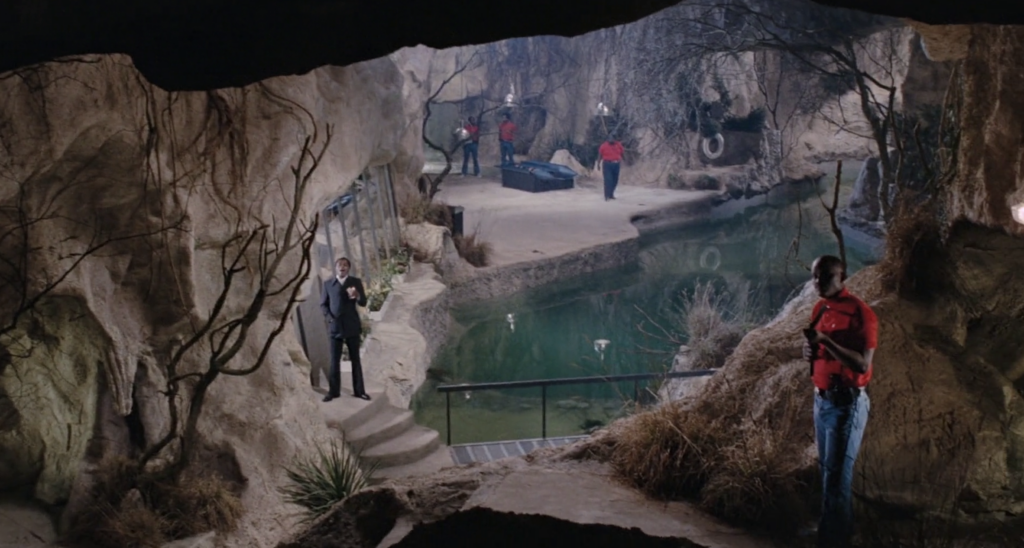
So while none of our settings are especially memorable in a travelogue sense, the theme of voodoo helps any number of settings to stand out more than they otherwise would. Our villains make use of stereotypical Bond villain lairs, with various trap doors opening up to boss rooms in the Fillet franchise. Our final underground lair on the island of San Monique, fully equipped with smuggling monorail and shark pit (an obvious homage to Blofeld’s volcano lair) was perhaps the standout setting in the film but it was underutilized.
Overall, settings scores a decent 7/10, limited from excellence if only because the island setting feels a bit derivative only a short time after Dr. No and the final lair was underutilized despite being brilliant. The 7 is earned primarily through theme / setting interaction.
Story
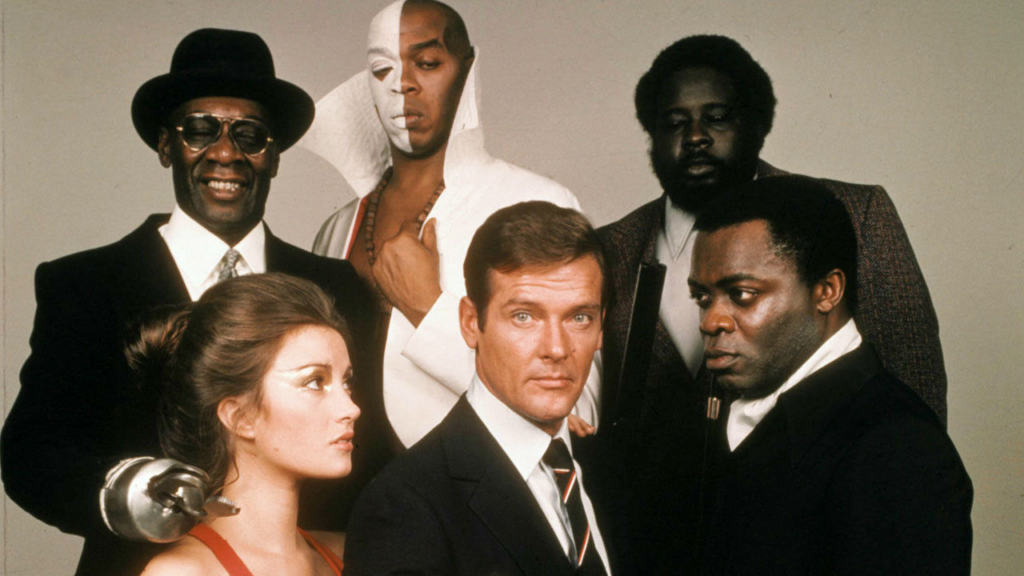
Now onto one of the more plausible stories in our Bond franchise (outside some of the voodoo and tarot elements I suppose). After several agents and diplomats are killed from the United Kingdom, Bond is sent to America to investigate alongside our old friend Felix Leiter and the CIA. Dr. Konanga is the prime minister for the fictional island nation of San Monique. He is a suspect in these deaths, and Bond eventually finds his way down to the Caribbean to find out what the connection is. Turns out Dr. Konanga is trying to control the US heroin market by flooding the country with free supply in order to produce more addicts and crashing the market only for him to corner it. The voodoo priest Baron Samedi keeps island locals in check, and also guards the entry to the poppy fields. Konanga’s alter-ego and disguise, Mr. Big, runs a franchise of Fillet of Soul restaurants which are the distribution point. To help protect him against wards or misfortune, Konanga employs Solitaire to give him notice of what is coming, and henchmen Whisper and Tee-Hee to sort the danger out. Of course Bond is coming, and he is bringing destruction! With the help of an old friend’s son, Quarrel Jr. (son of Quarrel in Dr. No) and our CIA ally Felix Leiter, Bond infiltrates the Caribbean operation and successfully destroys it.
The Blaxploitation angle of a large ensemble cast of Black gangsters, pimp mobiles and cultural stereotypes is notable as a theme, but it is also what leaves this film feeling very much a product of its era and so unlike any other Bond film. While I think the film succeeds with its large cast of villains and memorable henchmen (like our well traveled cabbie), it’s also a very weird story and setting for Bond. It’s not a traditional spy story, and that is because of the Blaxploitation tribute. They shoe-horned a Blaxploitation film into a Bond film, and that is what we get. It’s not for everyone, but I think it does a good job with the medium (and again, I sort of wish we could have a Quentin Tarantino take on this film).
Now onto what works and what doesn’t. The Moore era is known for being a bit silly, but I think this film failed to be as funny as some of the later Moore era films. He doesn’t feel comfortable in the role yet and his humor delivery has yet to be perfected. It mostly succeeds but I can’t help but feel that I didn’t laugh as much this time around. I think that’s down to the writers also still figuring out how to write Bond for Moore, to cater to his sense of humor and style. Moore still made an excellent debut as Bond, but he grows into the role in later films (as the writers also grow into writing the role for him). Does Moore work for me here? Sure, but I think it’s very obviously hit/miss at times. His interaction with the Bond girls feels a bit lacking in charm, and some lines are delivered with more conviction than others.
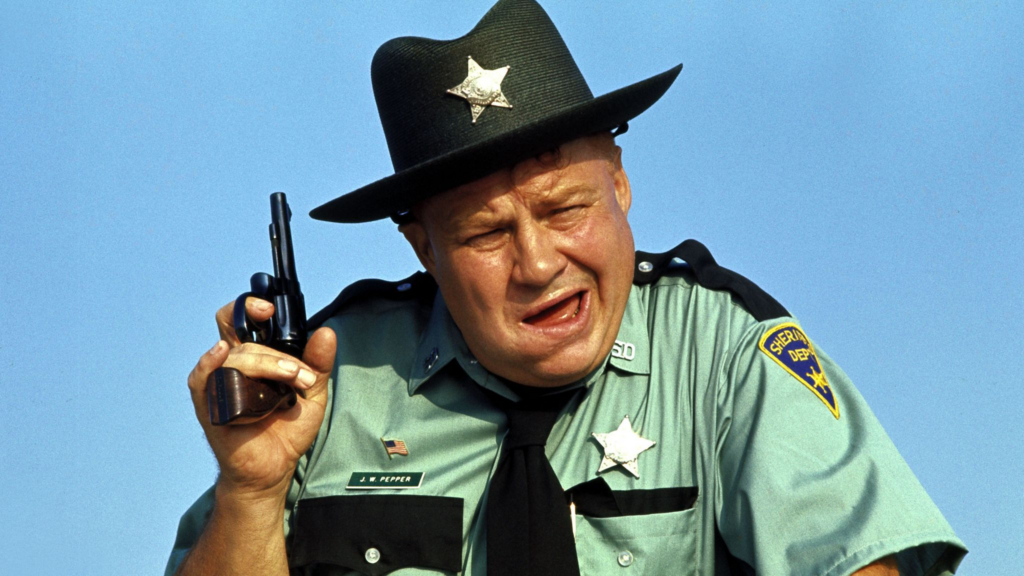
Speaking of the humor this film strives for, JW Pepper (Clifton James) is another choice that fans either love or hate. This is the first time we meet our hillbilly sheriff JW Pepper and his cast of bayou blues. He is extremely over the top, so much so that his performance sort of detracts from the action occurring around him. It is essentially a bit part that totally takes us out of the action and the story at times. I am not an outright critic of Pepper, I think he is just over utilized here and the joke gets old fast, especially as Bond is absent during the duration of his scenes. I enjoy his performance as the ugly American tourist in Man With a Golden Gun much more.
There are some notable plot holes in this story as well. Why were the diplomats killed in the pre-credits sequence? We presume it is because they are investigating Konanga, but so is the CIA, why were the Brits doing so, and why were they targeted and not the Americans? It’s jarring to see a pre-credits sequence devoid of Bond, especially a Bond film where a new star is playing the role. It’s also unusual for intelligence agencies to get involved in the drug wars, which makes this an odd outing for Bond. While License to Kill also has Bond up against a drug kingpin, that was more of a one-off revenge story than a spy thriller plot. It seems unlikely for a drug kingpin to draw such attention to himself by carrying out a hit at the United Nations general assembly. Also how did the CIA connect Konanga to the assassinations? Did we ever get info on that? So while our story may be straightforward, there’s also a lot left unanswered as we are dropped in the middle of this world.
There are numerous small contrivances that make me eye-roll also. Take for instance just how many folks are monitoring for Kananga in New York. Are we to assume every Black person north of 23rd street in Manhattan is on a CB radio to the Filet O’Fish villain lair? How did that cabbie know to be outside the voodoo shop? When did he get to New Orleans? For a ruthless drug cartel, they sure are bad at assassinations and killing; preferring that snakes or gators do the job for them. Yes it makes for compelling action and clever escapes by Bond, but where are the guns? Same thing on the speedboat, you have all these folks just sort of following Bond from cove to cove, with nary a bullet fired. As Bond fleas with Solitaire, he passes one of those voodoo scarecrow turrets, why doesn’t Kananga or his henchmen shoot Bond with that turret when he is in view? It just all feels a bit off, goofy really. I guess Konanga really wanted to show Bond his shark pit (you know, since snakes and crocs couldn’t get the job done right before).
The story is slapstick and goofy, and you will need to overlook some puzzling decisions by both villains and heroes. Yet I also felt entertained throughout this rather unconventional outing. 7/10.
Overall 7/10, despite some noticeable plot holes and flaws because it still offers good fun with a unique take on the franchise.
Gadgets & Vehicles
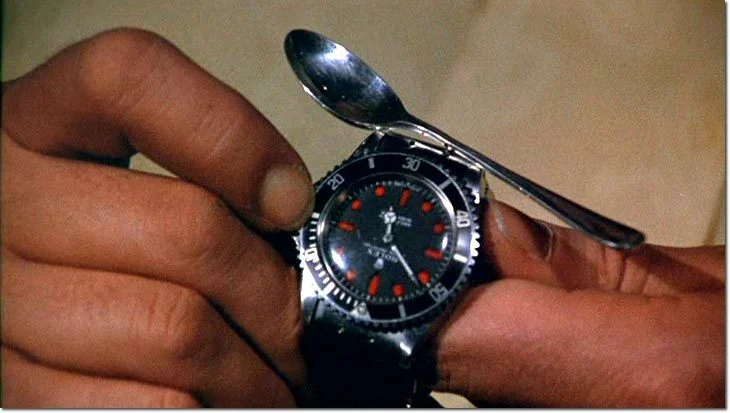
Bond has his trusty watch but this outing is devoid of any scenes with Q, and I’m not clear why (apparently Desmond Llewellyn had a conflict). Instead it is M who visits Bond at the outset of our story and gets an introduction to our magnetic watch which is used both for comedic and practical effect throughout the films runtime. We get some standard spy-fare, like bug detectors and also a saw feature on our watch which prior to its scene of escape, I don’t recall us being introduced to (a bit of a deus ex machina)?
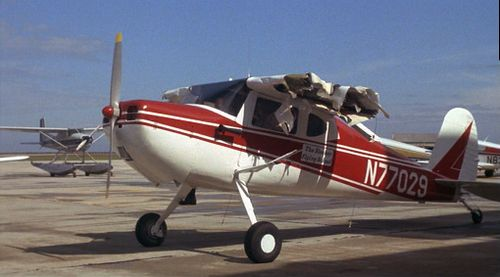
Vehicle-wise, we get mostly borrowed boats, planes and automobiles. Bond takes the wings off a Cessna, drives a boat down the aisle at a wedding and has a close shave with a double decker bus. But none of the vehicles are his with which to wreak unique Q-branch havoc. While they are fun and memorable they’re not official Bond vehicles.
Despite some memorable uses of borrowed vehicles, Q branch didn’t appear in this film and given how lightly equipped Bond is in this outing along with a notable contrivance with the saw-watch, this category earns a less than outstanding 4/10.
Action Sequences
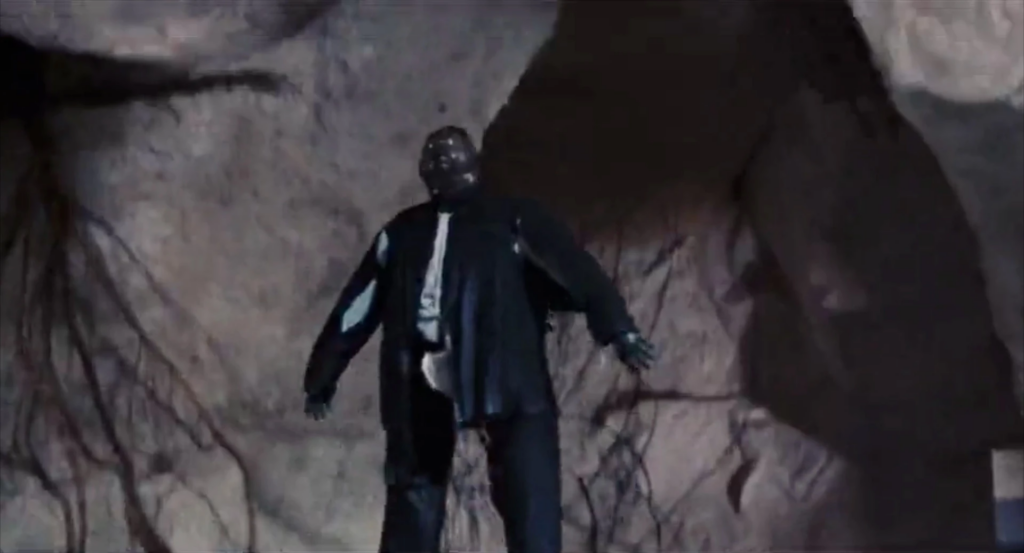
This film is rated PG, and so are its action sequences. This film is often cartoonish in its portrayal of violence, and almost gun-shy for much of the films runtime. While the chases are fun and entertaining, I can’t help but feel like most of them should be scored to the Benny Hill theme.
While Octopussy also has some silly chase sequences (the rickshaw, the escape through the jungle), that story is still rather serious and appropriately violent around it. Live & Let Die feels like a PG parody of the Bond franchise in its approach to action; culminating in offing the villain by way of blowing him up with air and popping him like Veruca Salt in Charlie & The Chocolate Factory.
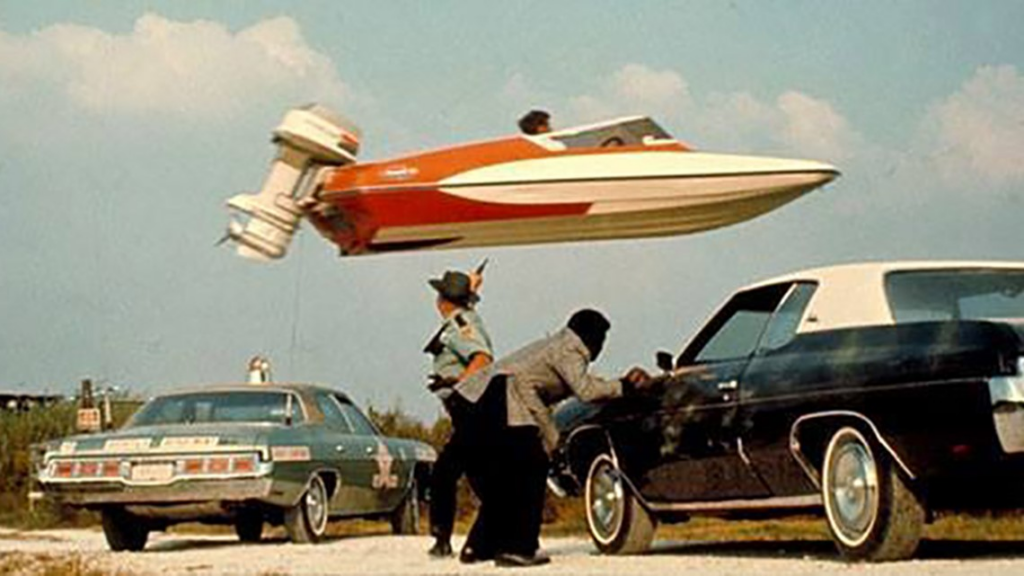
All of our action direction is total slapstick. The film is so focused on humor that it can come across as a detriment to our action at times. A good example of this is the character of JW Pepper and the boat chase. The silly addition of Pepper detracts from the tension of the boat chase in the bayou; a chase which is overly long and absent Bond. There’s no gunfire, no clever escapes apart from jumping coves. Bond never really feels like he’s in peril because he is barely present because we barely see him in this long action sequence until its culmination where he leads the bad guys into a trap. Despite such an all-timer of a Bond score done by George Martin, it’s also an action set piece without any needle drops or score at all. It’s like watching an out-take. In fact the whole thing feels very second unit apart from the segments where JW Pepper is the star of the show. When Pepper takes center stage it feels like you’re watching a different movie at times, that’s how tonally weird it is. Is it entertaining, sure. Is it what I expect from a Bond film, not exactly.
Equally slapstick is the silly plane chase around the New Orleans terminal. Instead of JW Pepper, we get Mrs. Bell, a dainty old lady ready for flying lessons and our comedic relief. Bond takes her for a ride around the terminal, evading the world’s most useless henchmen, one of whom utters “I can’t find the brakes,” before his car slides into a stationary plane. What do you mean you cannot find the brakes, isn’t the pedal where it always is? Henchmen dive out of the way of Bond, often forgetting they are armed with guns (again it’s all very PG). It’s another example of where humor takes precedent over action direction and therefore feels maxed out on camp.
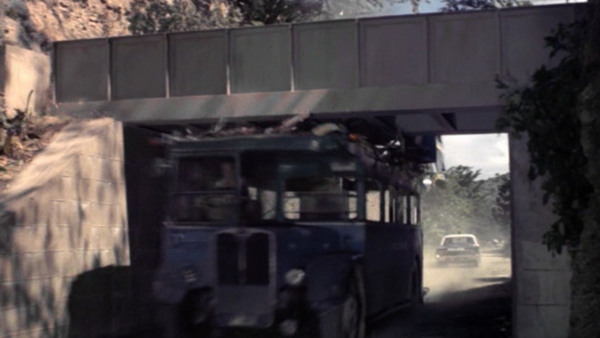
Of all the films action sequences, I personally prefer the brief but memorable double-decker bus chase where Bond uses his cleverness to evade a bunch of crooked cops before turning his bus into a convertible. That one feels like it does a better job of balancing humor with action that has real stakes.
For the most part a lot of the action in Live & Let Die feels off in a way that is hard to summarize exactly why, but I’ll try. Vehicles and chase sequences are over-utilized in this film while traditional gun battles and fight choreography are under-utilized. It’s not until the final showdown between Bond and Tee-Hee on the train that we actually even see proper fight direction employed. It’s just such a bizarre film in terms of action direction. Most of the action sequences we do get feel nonsensical and slapstick, directed for maximum comedic value rather than high stakes action. This film feels like a stark tonal departure for the series with a few small exceptions. While I am still entertained by it overall, it is a weaker part of this film for me. 5/10
Villains and Bond Girls
If this film is going to stand out for anything, it’s got to be its memorable cast of villains and one of my favorite Bond girls of all time.
Villains
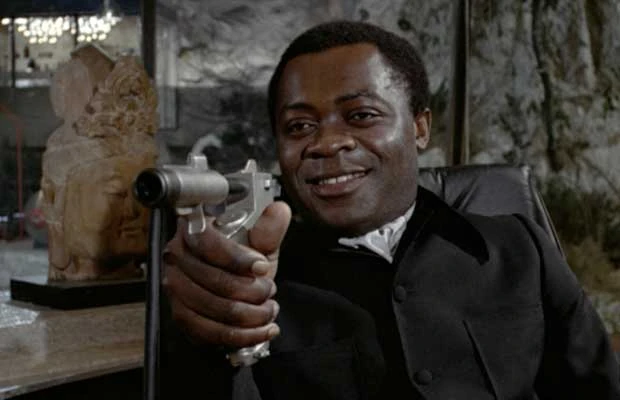
Doctor Kananga (Yaphet Kotto) is the businessman of the operation. He is quiet, cold and calculating, and a notable departure from the megalomaniacal villains of the series to date. But I never understood the alter-ego disguise bit, was this fooling anyone? Of course Kananga is disguised as Mr. Big. We even get a scene where Kananga pulls the Scooby Doo mask off to reveal Mr. Big was Kananga the whole time in the Fillet of Soul (and he would’ve gotten away with it too if it wasn’t for Bond meddling). Even if we are hard pressed to believe the mask bit, maybe in a post From Russia With Love world it is possible they picked up one of those ultra realistic masks from SPECTRE. But what’s up with the accent change? Absent his disguise, Kananga slowly becomes more and more deranged and angry as the film moves on, and Yaphet Kotto delivers a commendable performance. What a shame that he is mostly remembered for that goofy death. 7/10.
The villain category really excels for its collective of henchmen: Whisper, Baron Samedi and Tee-Hee Johnson. Honorable mentions to our cabbie friend with the big sideburns.
Whisper is our quiet heavy, instrumental in taking out Bond’s driver in the beginning of the film and staying on his tail throughout. He’s got a memorable look to him, and plays the part of the loyal but quiet henchman part reasonably well. 6/10.
It’s the next two henchmen which steal the show.
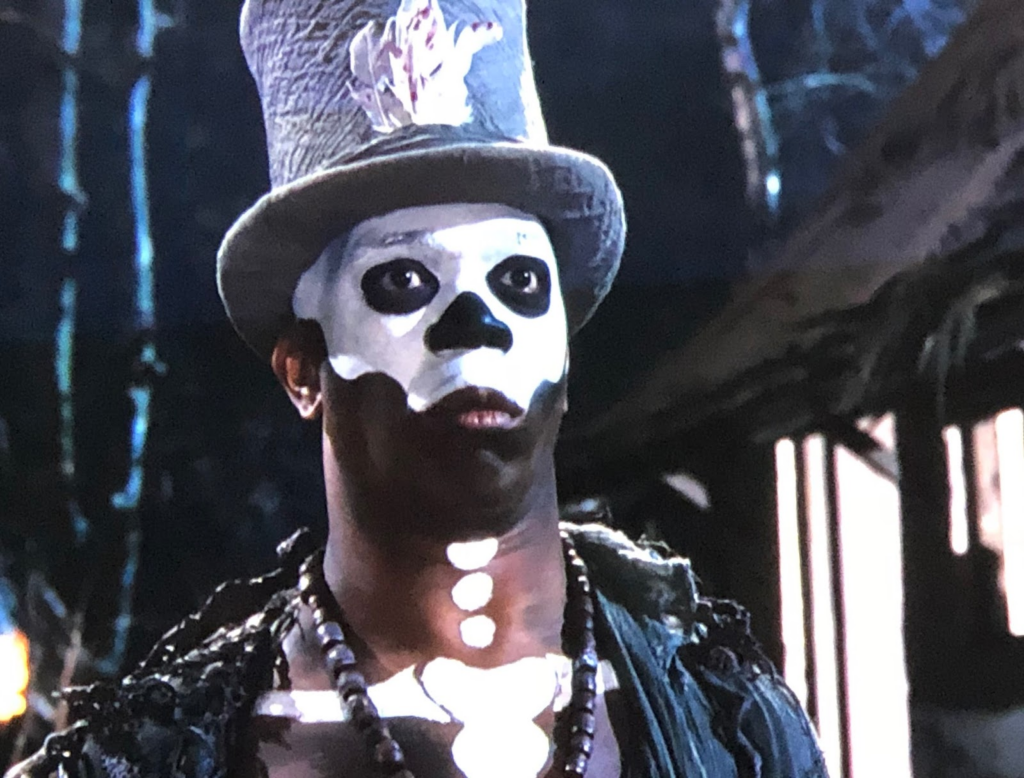
The voodoo priest Baron Samedi (Geoffrey Holder) is iconic for his visual aesthetic and deep voice. Acting the part, he flamboyantly performs voodoo ceremonies for the local hotel and guard duties at the local cemetery on the ridge above the poppy fields, often in his trademark hat and skeletal face paint. Any time the film needs to up the creepiness factor, it can rely on Baron Samedi to deliver and show up as needed with that trademark evil laugh. Like the numerous convenient trap doors, and life-like masks, we get several near lifelike body doubles of the Baron himself. I suppose that is plausible since deception is part of his act, but lifelike to where it fools Bond and the audience? A bit contrived. He of course is rumored to be immortal, and so despite finding himself dispatched into a pile of venomous snakes near the end, he still makes his way to the train in the final shot of the film, riding it into the moonlit night with that devilish laugh. Of course that could have just been a body double too, who knows, or was that his ghost? I just wish we got more of him. He doesn’t have a lot to do apart from taunt folks with snakes or talk into a flute walkie talkie. Otherwise he is just popping up here and there to laugh, and like Konanga, he receives a disappointing final fight with Bond. For the posters and opening credits making his look synonymous with the film itself, we deserved more. 9/10 for his indelible mark on the franchise overall.
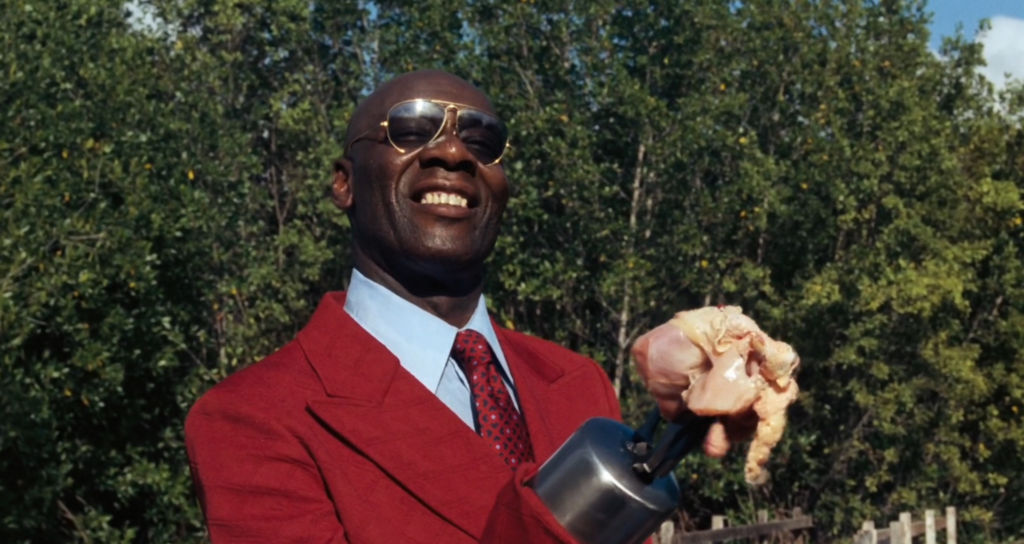
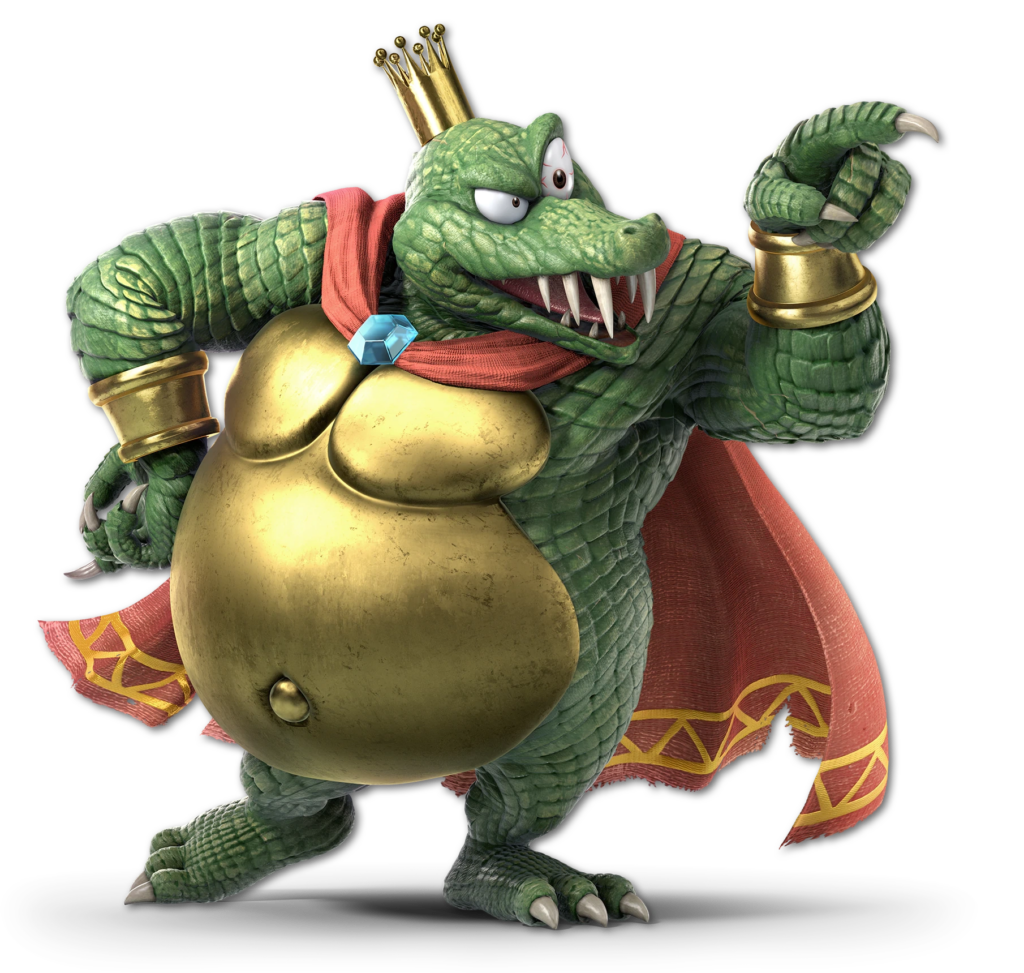
Tee-Hee Johnson and his metallic hand-claw is imposing as it is also ridiculous. As a Millennial who grew up on Donkey Kong Country I cannot help but draw parallels between him and King K. Rool, which is fitting since Tee-Hee’s hand was bitten off by a crocodile. He’s expertly played by Julius Harris who still manages to turn in a chilling performance in spite of the comedy he is also expected to deliver. He absolutely steals every scene he is in and is so much fun to watch. 8/10.
Honorable mention: our cab-driver.
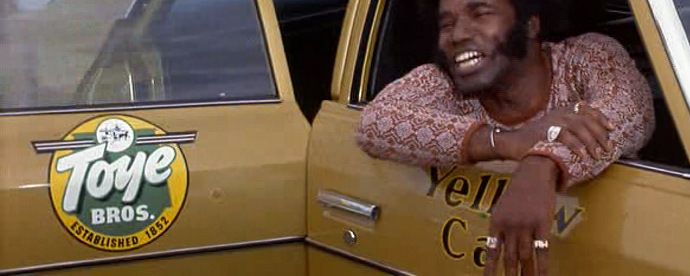
Played by Arnold Williams, this is one of the those bit-parts that is so memorable. His big smile, coupled with some incredible delivery of wit allows him to stand out amid a large cast of villains, including those with much more screen time. Unlike Mrs. Bell or JW Pepper, this bit part makes sense and contributes rather than detracts from the tone and theme of the film. Great stuff.
Overall villains scores a high 8/10.
Bond Girls
We get two Bond girls in this outing, one an all-timer and another relegated to the scrapheap of screaming damsels in distress.
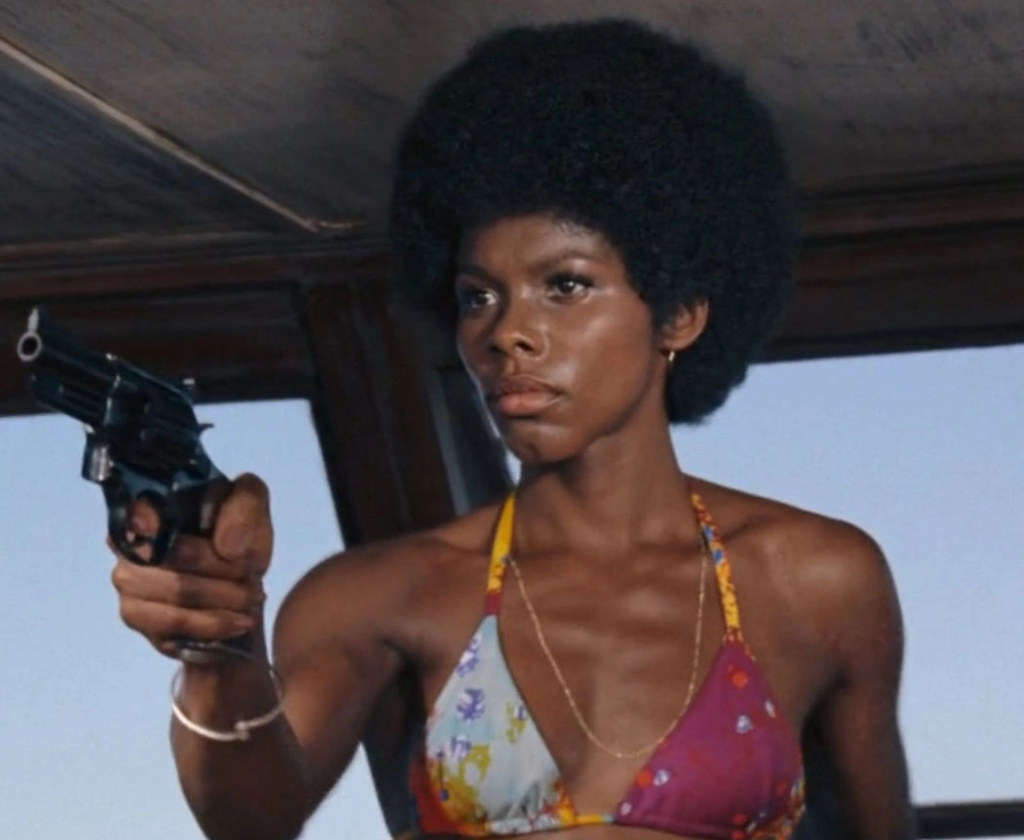
Rosie Carver (Gloria Hendry) plays a double-agent working for the CIA, but is secretly employed to inform for Konanga. She is incredibly naive, stupid and prone to screaming fits making you wonder how it is she ever passed screening over at Langley. While she marks an historic first as the first Black woman to appear as a Bond girl in the franchise it is unfortunately for a wasted role as an annoying character. 4/10.
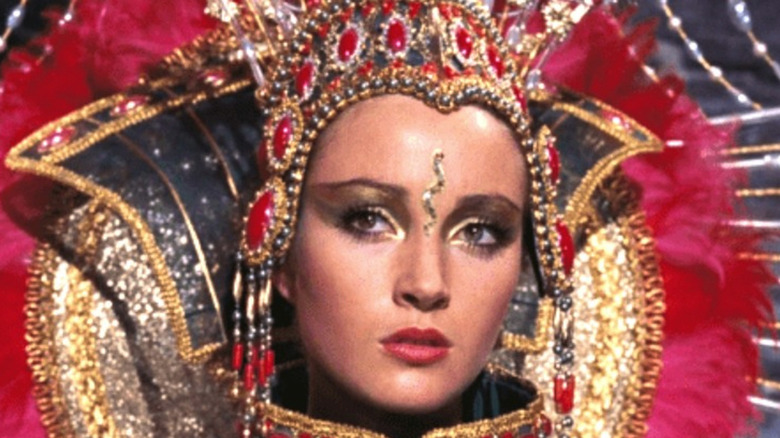
Solitaire introduces us to the legendary Jane Seymour. I cannot think of a Bond girl with more iconic style and presence than Solitaire. Those outfits, hairdos are a tremendous bit of work and are overall extremely iconic and recognizable. She can appear a bit naive as well, but is hardly the screaming type. Of course she has the gift of clairvoyance, which she uses while reading Tarot for Konanga (like her mother and grandmother before her). It’s an interesting profession for a film franchise normally unconcerned with the spiritual or supernatural. Of course once her virginity is taken from her, she loses her power and knowing what fate has in store for her, she teams up with Bond as a way out. She’s trying her best to show she still has these powers, making out as a sort of double agent herself. She even strikes Bond with a purse allowing him to escape the henchmen at the airport, while simultaneously leading the Konanga crew to be sure of her loyalty (not so much). So she does demonstrate some creative thinking, and we can believe her peril and how she’s so young, just trying to escape her death sentence. While she may not be as useful to Bond as some other Bond girls with more agency to offer, her character is compelling and iconic nonetheless, so iconic that I cannot award her anything less than a 10/10. She is my favorite Bond girl after Diana Rigg’s Tracy Bond.
Overall this category scores a near perfect 9/10, missing out on that perfect score only because some henchmen go underutilized and the way they do Konanga dirty with that silly death.
Wildcard!
Live and Let Die is one of those films where the individual parts shine brighter than it does as a whole. While the film commits several unconventional tonal shifts from the series, and a Moore-Bond for whom the writers had yet to figure out how to work with him, it still delivers us very memorable and entertaining parts that make it a series standout.
Let’s talk about some series stand outs in terms of what makes so many, myself included, look past so much of its flaws and oddities to still consider this one of the more beloved entries:
— Barron Samedi as an all-timer of a henchman
— Solitaire and her iconic turn as one of the most recognizable Bond girls
— Incredible ensemble performances by a great cast
— The weird voodoo aspect, one of the few times Bond explores the supernatural
— Roger Moore has a great first outing as Bond, even if he still manages to improve
— The introduction of the bit-character JW Pepper
— A fun and goofy outing that still feels narratively compelling (unlike its immediate predecessor, Diamonds are Forever)
— The most iconic Bond theme of all time
Is it a perfect film? No. Is it your prototypical Bond film? No. This one is definitely a bit weird and that’s what I love about it, it’s different and always a fun watch. 7/10.
Conclusion
This film is by no means perfect but I think it’s a very accessible and enjoyable entry into the series. It’s chock full of memorable performances and has the iconic theme by McCartney. While it feels very much of its era with the Blaxploitation angle and procedural action direction, it still delivers good fun. While a fun ride I don’t feel like it’s as highly ranked as some of my other choices that I’d turn to first. Once considered my favorite, today it drops down to a decent 6.5/10 overall, making my top half but now outside my top ten.
Discover more from MK Leibman Writer
Subscribe to get the latest posts sent to your email.